

Producing broad spectrum antiviral therapeutics from cyanobacteria
In this successful Feasibility Project, the project partners identified antiviral therapeutics that can be extracted from cyanobacteria, and gained leverage for additional funding, training opportunities, and developed new methods for fractionating and purifying polysaccharides.

Optimising bacteria production and storage for field-scale application of a new biomineralization technology in ground engineering
Innovation funding enabled the academic team on this project to optimise their bacteria growing process and gave BAM Ritchies an insight into new opportunities, with the project collaborators set to continue to work together beyond the project.
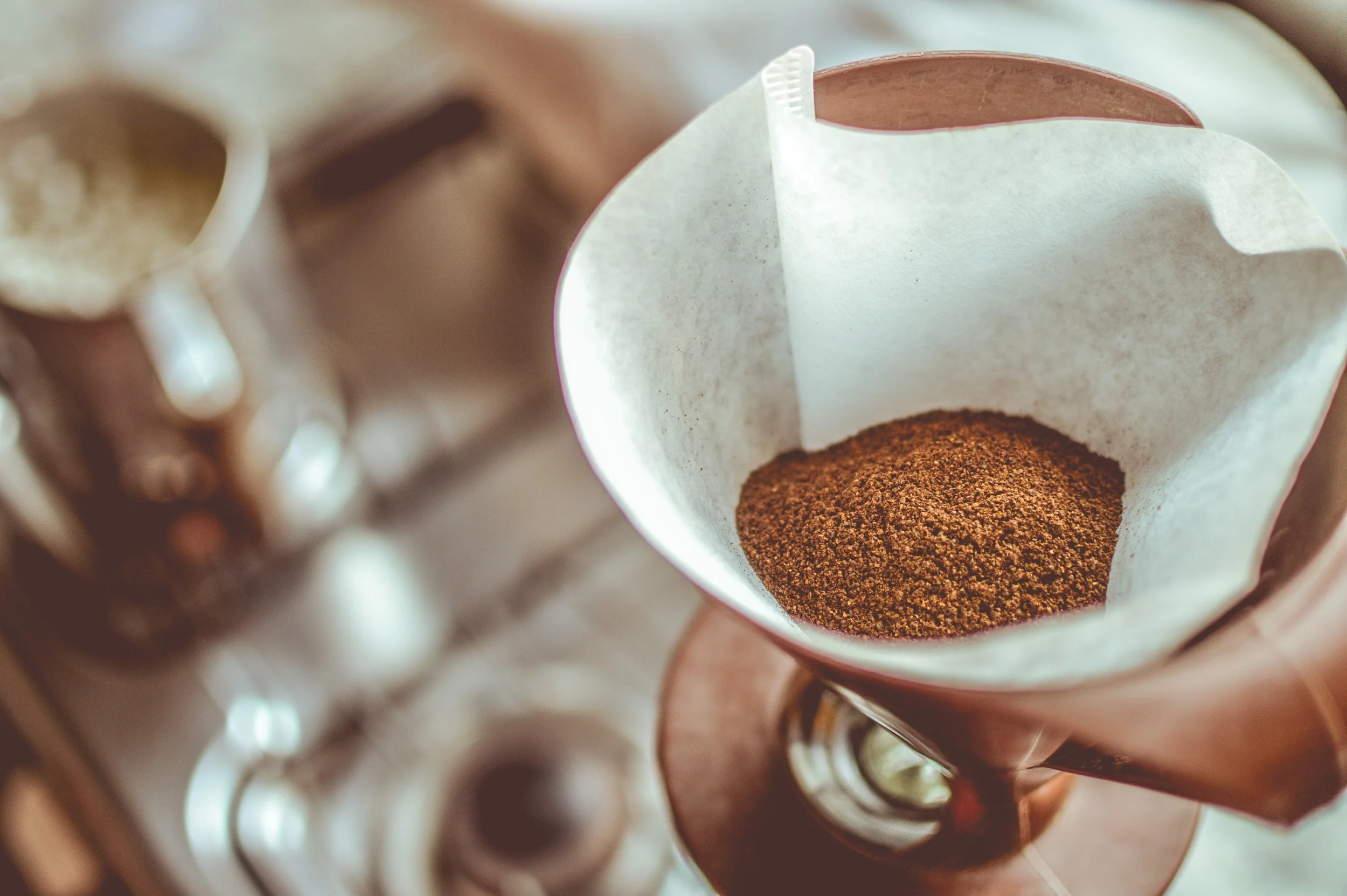
Coffee waste as a source for bioenergy productions
This Feasibliity project by Artisan Roast, University of St Andrews, and Energy Recovery Systems Ltd demonstrated that coffee grounds are a profitable replacement for wood as a source for bioenergy.

A novel plant enzyme for enhancing the viscosity or hydrophobicity of cellulosic materials
Proof of concept was achieved in this Feasibility project to improve the strength and water repellent properties of Cellucomp’s paper-based packaging materials.

Partnering for the commercial scale-up and development of novel cultivated meat products
IBioIC awarded Innovation Funding to Roslin Tech and University of Edinburgh to work on this successful project, which resulted in significant cost reductions for the company and provided multiple opportunities for the university to present their research.

Improved paclitaxel yields in a biomanufacturing platform
Innovation funding from IBioIC enabled the project partners to test a new strategy to elucidate the natural production mechanisms used by Taxus brevifolia, also known as the Pacific Yew, and engineer them in faster growing plant cells, and propelled Green Bioactives technology readiness level from 3 to 7.

Determining cell culture-based biomanufacturing yields of a valuable secondary metabolite
In this successful project, Green Bioactives were able to access equipment which enabled them to detect their desired products and they can now further develop their cell lines and apply for funding to develop this aspect of the business.

IBioIC funded RSE Enterprise Fellowship enabled entrepreneur to develop the commercial aspects of new business
Dr Stuart Hannah was able to undertake training through the RSE EF which helped him take the business from spinout proposition to fully-fledged incorporated company supported by early stage funding from private VCs
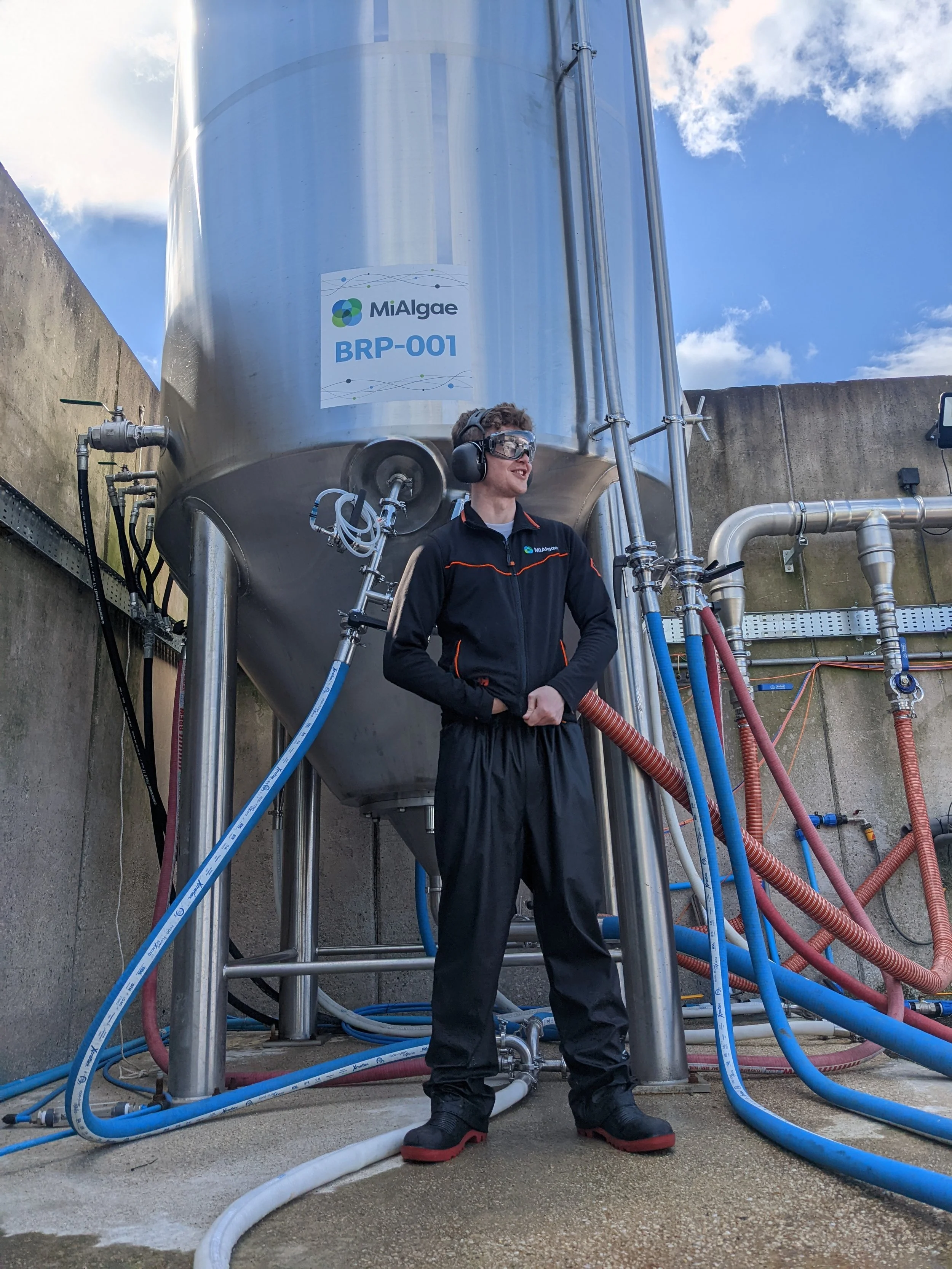
Optimising MiAlgae’s Clean-In-Place (CIP) protocol – IBioIC MSc student placement
Successful industry placement resulted in student being offered a permanent position.

Production of lateral flow diagnostic kits using gold nanoparticle adsorption to antibodies
The Antibody Company (TAC) has expertise in point of care diagnostics for the aquaculture and brewing industries, which both suffer significant product losses. Current diagnostics for these industries are prohibitively expensive and take too long allow immediate mitigation. TAC combined their expertise in antibody design and production with Dr. Mulheran and his team’s skills in antibody conjugation to design a cheap and effective lateral flow device (LFD).

Determination of crustacean allergens in purified chitosan through interlaboratory assessment
IBiolC Feasibility funding enabled CuanTec to access the analytical capabilities of the University of the Highlands and Islands to accurately determine the presence of allergens in CuanTec’s purified chitosan.

Reducing the environmental impact of pharmaceutical production
In this project funded by our Spin Out support programme, XGenix developed a high throughput assay to rapidly screen enzymes.

Exploring the Feasibility of CuanTec’s Process By-products as Sources of Added Value
In this Feasibility project, CuanTec Limited and James Hutton Institute teamed up to analyse the value of side streams from crustacea shells.

Optimising light wavelengths in algal bioreactors
With funding from IBioIC, researchers from St Andrews and Xanthella Ltd have undertaken a feasibility project to improve the production of industrial feedstocks by microalgae under solar illumination.

Microbial production of hydroquinone from waste feedstocks
IBioIC funded a joint project between Victrex and Joanna Sadler and Stephen Wallace from the University of Edinburgh to explore alternative, more sustainable routes for the production of Hydroquinine, ideally from renewable or waste feedstocks, to contribute to their goal of carbon neutrality by 2030.

Enamel matrix protein formulation for tooth repair
IBioIC awarded over £8.5k through our Spin Out Fund to Bioenamel to produce human proteins in yeast and test them on surfaces that mimicked damaged teeth.
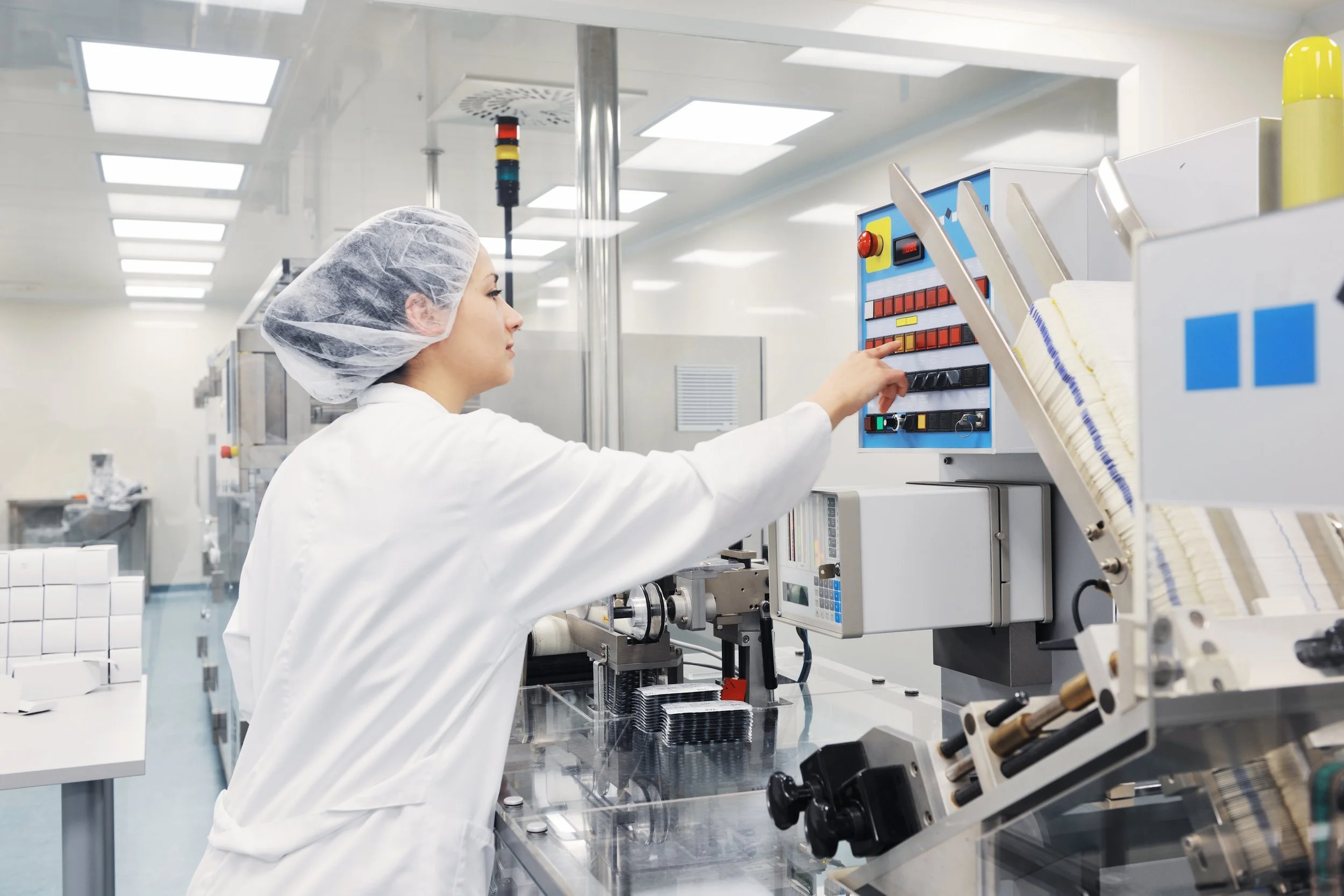
Engineering polyketide production
BioIC awarded funding to researchers at the University of Edinburgh to help Ingenza engineer a novel way to produce sustainable surfactants utilising polyketide-producing enzyme complexes that would be adaptable to industry’s needs.

Enhancing the purity of speciality seaweed products
Marine Biopolymers (MBL) is a Scottish SME whose focus is on extracting high value components from brown seaweeds for use in a range of applications such as food and pharmaceuticals, but also in different industrial application areas, where the use of natural polymers is growing fast.
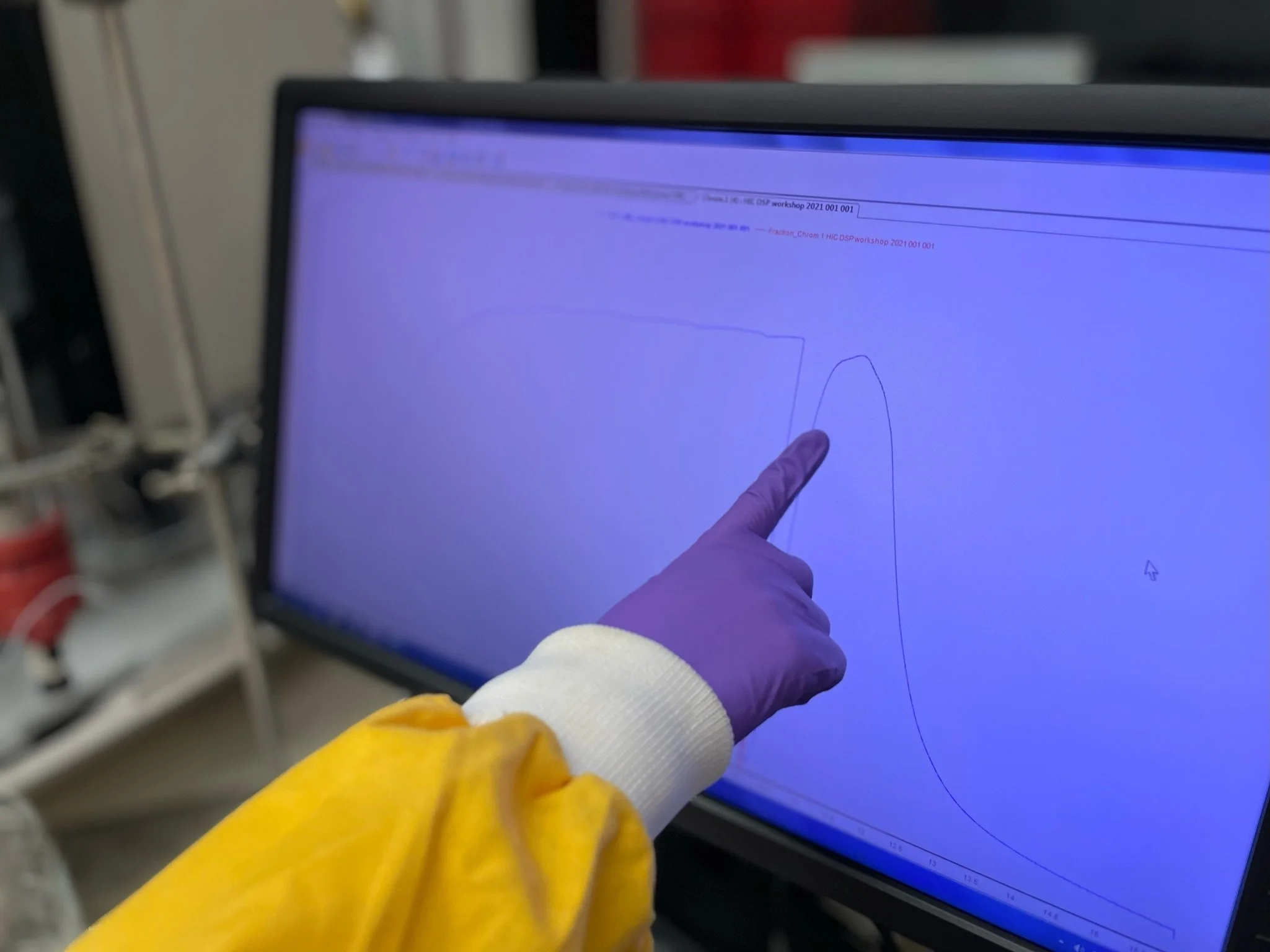
Development of an assay for measuring levels and composition of Omega-3 in a variety of sources
Fatty acids are traditionally obtained by extracting oils from plant, fish, or animal tissues, however, the composition in these sources generally depends on the season and location. There is a requirement to find alternative sources to meet the growing demand across the food, pharmaceuticals and cosmetic industries.

New Strategies for Downstream Processing of Recombinant Proteins
A feasibility study which offers the potential to improve the production of therapeutic proteins through the development of a purification platform which includes an affinity chromatography step that has been specifically designed for use with a novel set of protein tags.