
Viewing water as a closed loop is key to protecting our environment
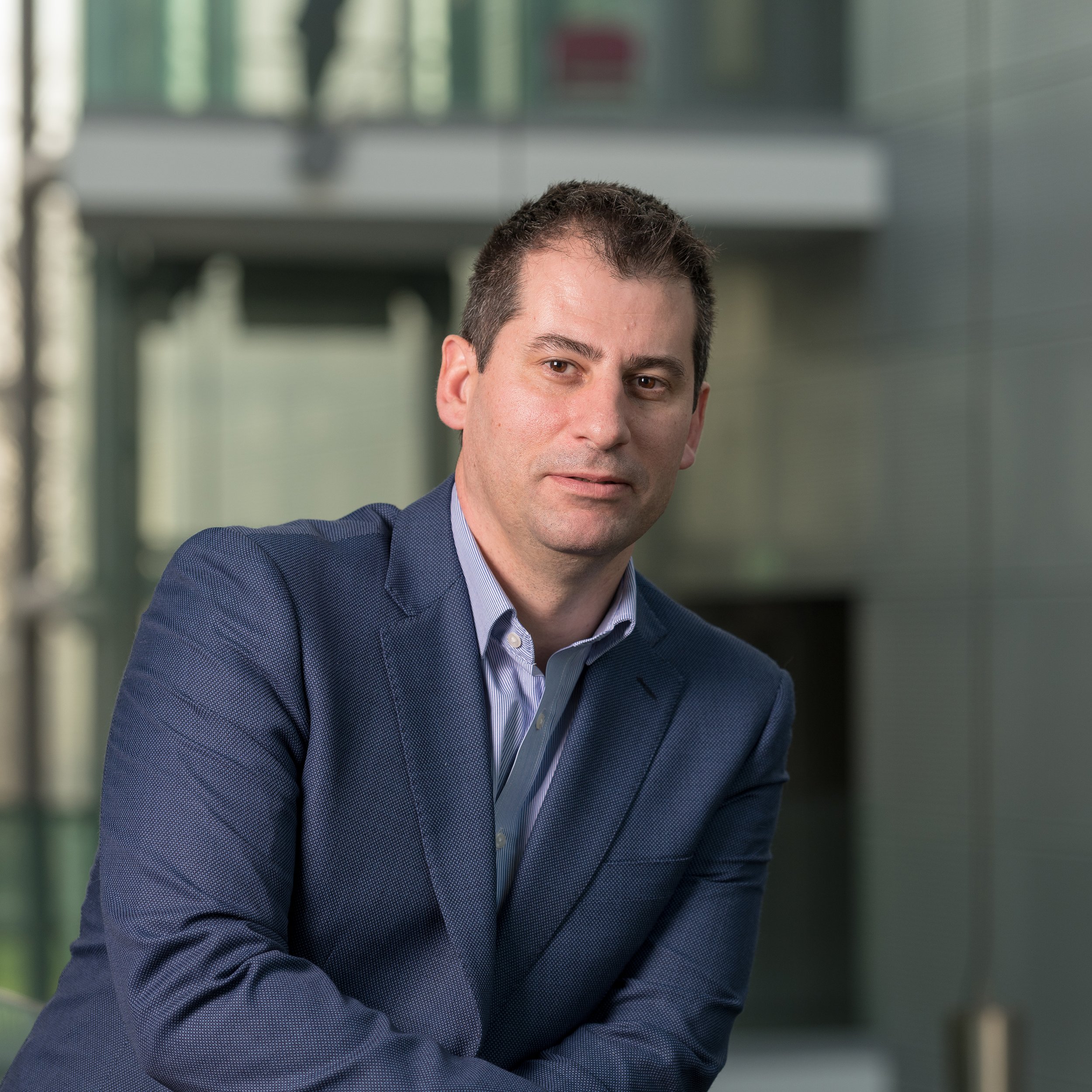
Professor Frederic Coulon, director of the Environmental Biotechnology Innovation Centre (EBIC)
Water is often thought of as flowing in a straight line: taken from the environment, used, and then released, with the assumption that once it disappears down a drain or back into a river, the cycle is complete.
In reality, water never truly leaves the system. It moves continuously through soil, ecosystems, industry, and our homes, eventually returning to us. Understanding this closed loop is becoming increasingly crucial as pressures on water quality grow, because any pollutants introduced at one stage inevitably travel through the cycle and re-emerge elsewhere. This reinforces the need for a more connected approach to managing water across society and the environment.
Water connects many parts of the natural and built environment, and its condition often reflects the wider health of surrounding systems. Changes in soil quality, agricultural practices, or industrial activity are often first detected in rivers, groundwater, or coastal waters. Through this lens, water serves as a key indicator, linking food production, biodiversity, and public health in ways that are not always immediately visible.
Adopting a broader perspective also opens up new possibilities for remediation. In environmental biotechnology, researchers are increasingly harnessing biological processes to clean water more sustainably. Microorganisms perform much of this work in wastewater treatment, breaking down pollution, removing nutrients such as nitrogen and phosphorus, and reducing reliance on energy-intensive chemical treatments. These living systems function as essential infrastructure, helping to maintain balance in both natural and built environments.
By building on these processes, we can rethink wastewater entirely. Instead of treating it as waste, it can be approached as a resource from which value can be recovered. Nutrients can be returned to land, treated water can support industrial or environmental uses, and biosolids generated during treatment can provide benefits when safely reapplied to soil. Water, waste, and land therefore form a single, integrated cycle – underscoring the importance of managing the system holistically rather than in isolated stages.
A more connected approach to water management is also essential for addressing challenges at their source. Limiting efforts to local or end-of-pipe treatment reduces the ability to prevent problems before they occur, while separating water management from agriculture and ecosystem health overlooks the close interconnections between these systems. A holistic understanding allows earlier intervention, reduces environmental damage, and lessens the need for more intensive treatment further down the line.
Growing pressures on the water system reinforce the need for this change. Rising treatment costs, emerging contaminants, and increasing environmental expectations are making water quality management more complex. At the same time, optimising the movement of water through the system offers opportunities to strengthen resilience, reduce long-term costs, and protect public health – provided innovations are implemented effectively.
Progress relies on stronger collaboration across academia and industry. Although some partnerships are well established, gaps remain between laboratory trials and real-world deployment. Moving technologies from proof of concept to pilot and demonstration scale requires infrastructure, specialist skills, and training capacity that are not always readily available. Supporting this critical middle stage is essential if research is to translate into practical change – a topic that will be explored in depth at the upcoming Industrial Biotechnology Innovation Centre (IBioIC) annual conference.
The water sector has made significant strides in sustainability and efficiency, but decisions made today will determine whether water continues to be treated as a waste stream or whether its full value within a circular bioeconomy is realised. Viewing water not simply as a resource to be used and discharged, but as central to environmental, social, and economic resilience, enables actions that reinforce these systems while fostering a more robust and sustainable water cycle.
Join Professor Frederic Coulon at the Industrial Biotechnology Innovation Centre (IBioIC) flagship conference, in partnership with the Bio-based and Biodegradable Industries Association (BBIA), at the Technology and Innovation Centre in Glasgow on 10-11 March.