
MSc in Industrial Biotechnology - Scotland's most industry-connected postgraduate programme
Awarded by the University of Strathclyde, delivered across Scotland's leading universities, and designed in collaboration with with industry partners, IBioIC’s collaborative MSc in Industrial Biotechnology is an exciting opportunity for science and engineering graduates ready to build a career in the sustainable bioeconomy.
10 week
Industry placement
Multi-university
delivery across Scotland
500+
companies in our network
Funded
places for Home students
What makes this MSc different?
Traditional postgraduate programmes are taught by a single institution. The IBioIC MSc is different by design. We draw on specialist expertise from leading academics across Scotland's top universities, giving students access to specialist teaching from leading academics and combining the most relevant and up-to-date modules to deliver a programme that's broader, more current and more connected to industry than any single university could deliver alone. Students also benefit from an industrially relevant placement, with projects driven by our industrial partners.
10-week industry placement
Students may progress to the 10-week placement (May–July) once they have successfully met the programme requirements. Real projects. Real companies. High conversion to employment.
Multi-university delivery
The best modules from the best academics across Scotland — curated into a single, cohesive programme that no individual university could replicate alone.
Scotland's biotech ecosystem
Access to 500+ biotechnology companies through site visits, networking events and an alumni community active across the global bioeconomy.
Ready for Industry training
Built-in professional development - including our CPD-accredited Working with Industry course and Business Start-Up Simulation alongside your academic studies.
Strathclyde award
Awarded by the University of Strathclyde - a world Top 100 institution - giving your qualification immediate international credibility and recognition.
What you'll study
The IBioIC MSc builds a strong foundation in the core science and engineering of industrial biotechnology, then takes you deeper into advanced and emerging topics from bioprocess design and fermentation science to sustainability strategy and commercial application. The curriculum is reviewed continuously with our industry partners to ensure it reflects what the sector needs right now, not five years ago.
At the forefront of science and engineering. You'll study advanced topics drawn from across Scotland's leading universities - curated by IBioIC and our industry partners to match the skills the growing bioeconomy is actively recruiting for.
View full module details on the University of Strathclyde course page →
Your 10-week industry placement
Students, once they have successfully met the programme requirements, can progress to a 10-week industry placement between May and July based at, or in close partnership with, one of IBioIC's industry partners. This is a core, assessed part of your degree, not an optional extra. You'll take on real research or development challenges that companies actually need solved, working alongside professionals in commercial laboratory and manufacturing environments.
IBioIC's network includes pharmaceutical manufacturers, biotechnology start-ups, food and drink producers, environmental technology companies and more. Many students receive employment offers from their placement company before they've even graduated.
Are you a company? IBioIC offers industry members the opportunity to host MSc placement students — a proven route to meeting future talent and advancing live R&D projects. Contact us to find out about hosting a placement student →
Beyond the classroom
Academic learning is just the start. IBioIC students also take part in a range of experiences that bring the science to life.
🥽
Company site visits
Visits to local and national biotechnology companies - an inside look at how industrial science operates at commercial scale.
🥼
FlexBio scale-up facility
A visit to IBioIC's pilot-scale facility at Heriot-Watt University: hands-on experience of the critical bench-to-factory step that defines industrial biotechnology.
🤝
Industry networking
Regular access to IBioIC's company network, events and alumni - the professional connections that support your career in biotech, not just your degree.
MSc student stories
Hear from students who have gone through the IBioIC MSc programme:
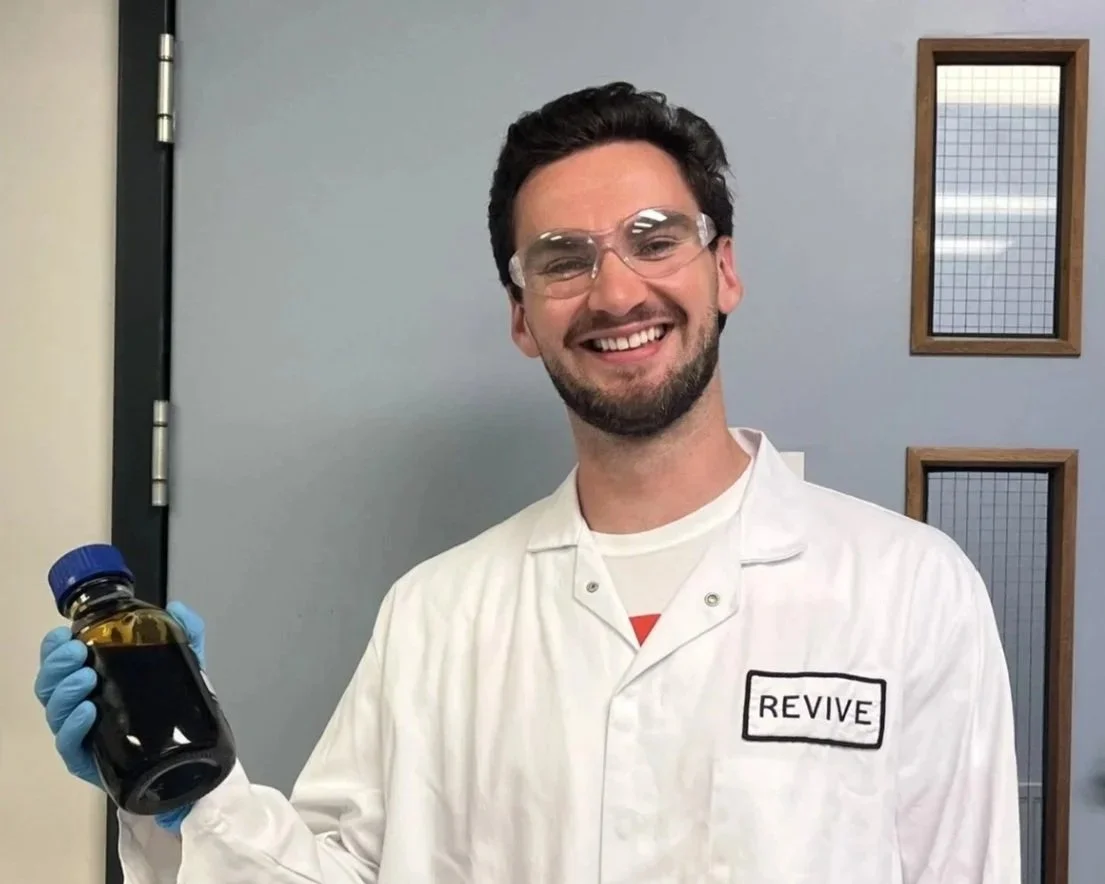







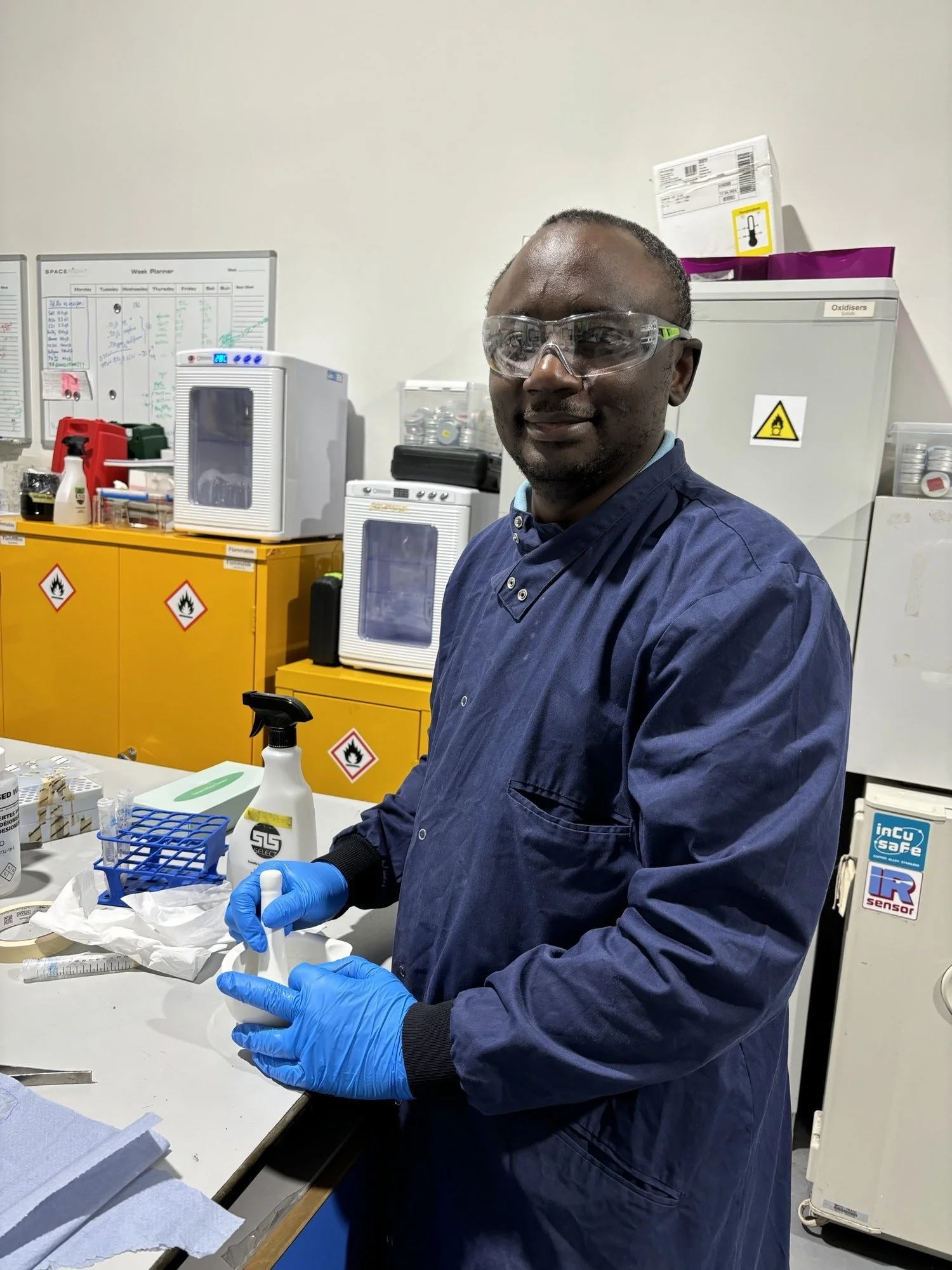
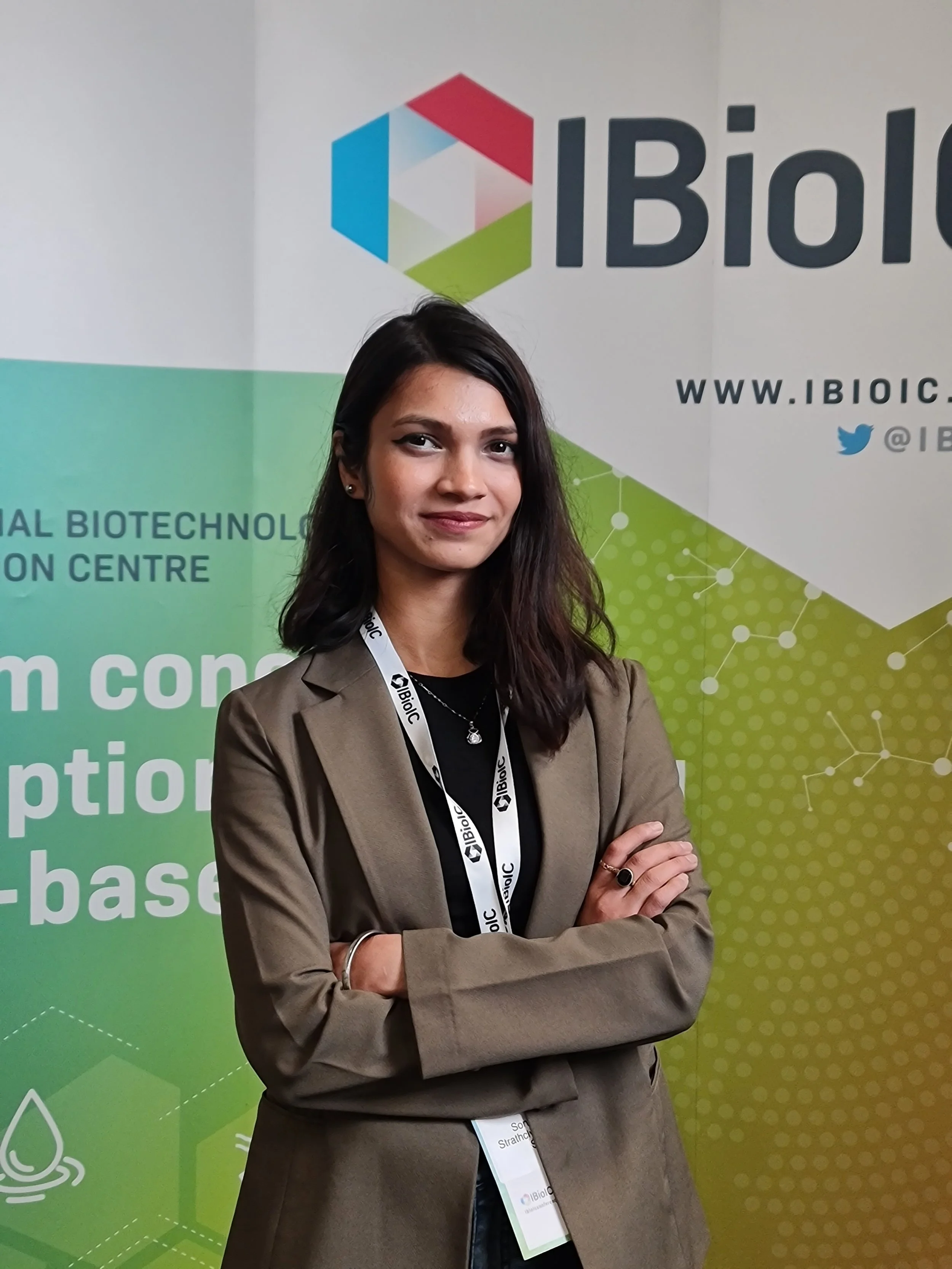
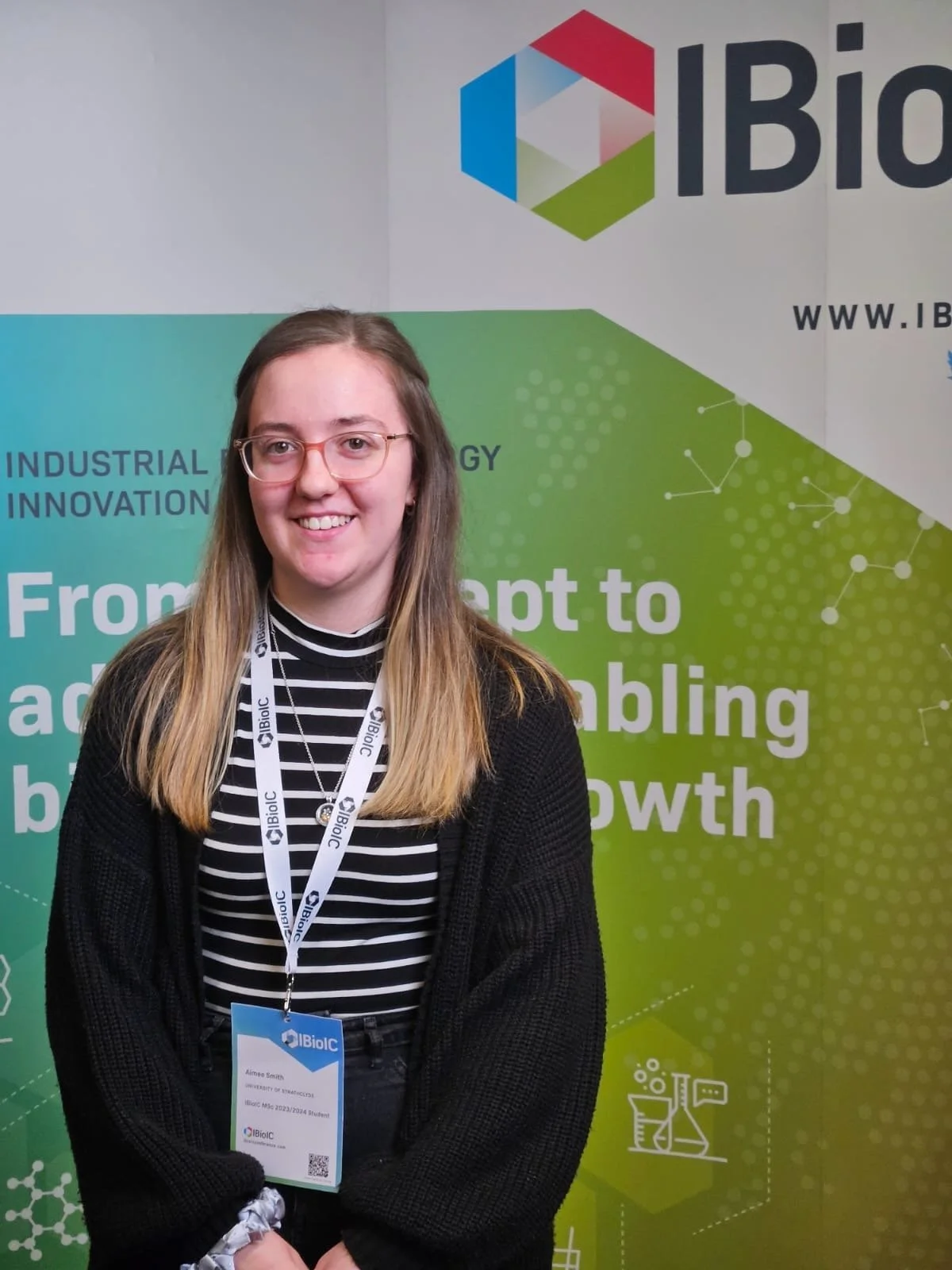


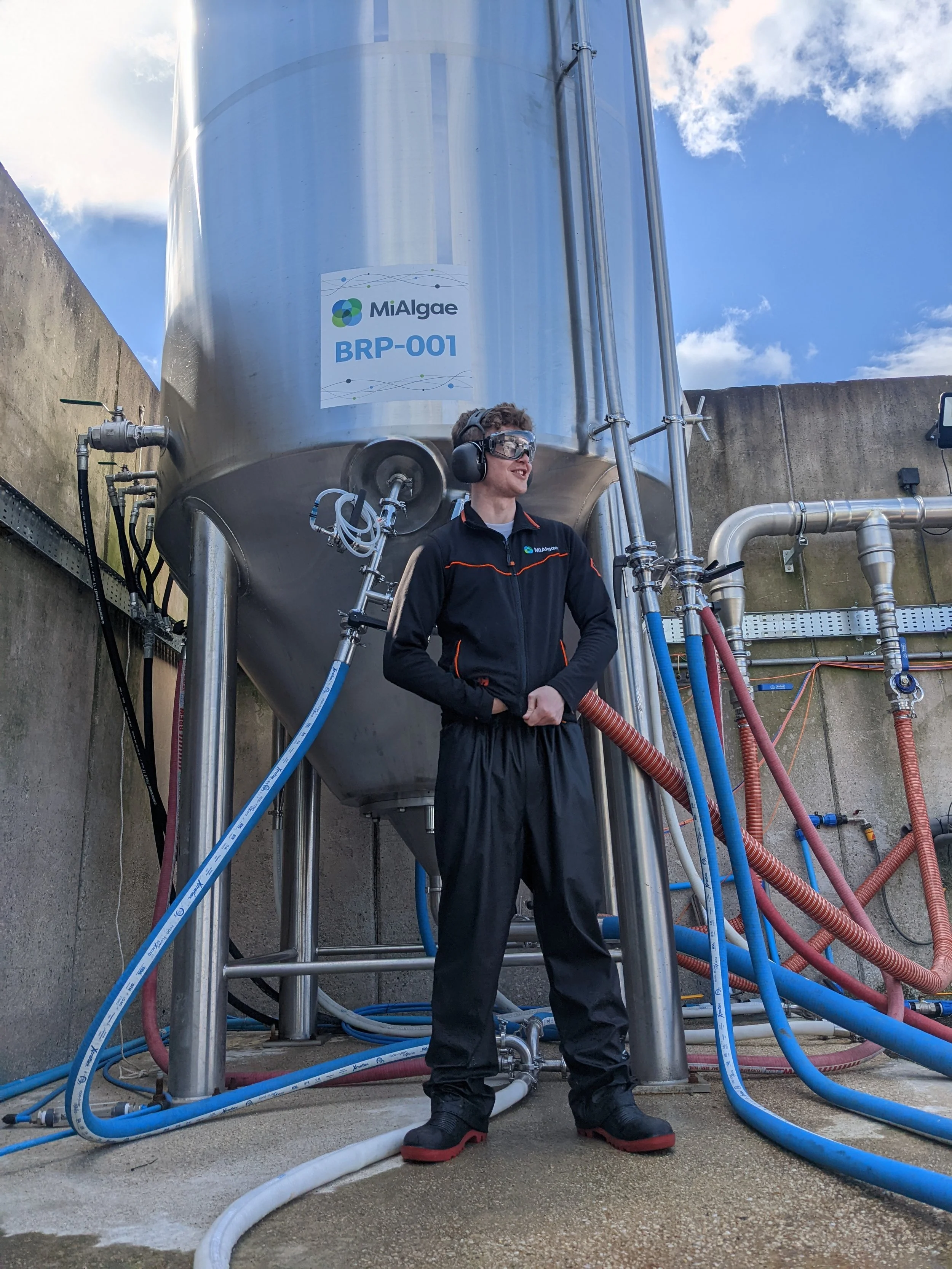




““The IBioIC industrial placement gave me the confidence to develop an independent approach to experimental design on real-world bio-based application”
“My placement was a practical launchpad - helping me establish my career interest, land a job and kickstart my professional journey in the UK”
Funding your MSc
Home students
Scottish Funding Council bursary
Home students receive a fees bursary through IBioIC's partnership with the Scottish Funding Council, significantly reducing the cost of study for eligible students.
International students
University of Strathclyde bursaries
A number of places are available for international students, with bursary options through the University of Strathclyde. We welcome applications from across the world.
IBioIC MSc graduates progress into careers across the full breadth of the bioeconomy - with a high conversion rate from placement to permanent employment.
Our alumni are working in pharmaceuticals, sustainable manufacturing, food and drink, environmental technology, bioprocess engineering and beyond.
Where our graduates go
⚗️
Fermentation Scientist
🦠
Bioprocess Engineer
👩🔬
Regulatory specialist
♻️
Sustainability Consultant
🔬
Research Scientist
📈
R&D Manager
Graduate employers include:



Entry requirements
We welcome applications from graduates with an upper second-class (2:1) Honours degree or international equivalent in:
Biology or biotechnology
Chemistry or biochemistry
Chemical engineering
Related STEM subjects
Prospective students with relevant professional experience or alternative qualifications are also encouraged to apply - please get in touch to discuss your background.
Frequently asked questions
-
Yes. Every student undertakes a 10-week placement between May and July — based at or in close partnership with one of IBioIC's industry partner companies. The placement is a core, assessed part of the MSc. Many students receive employment offers from their placement company before graduating.
-
We accept a minimum upper second-class (2:1) Honours degree or international equivalent in biology, biotechnology, chemistry, chemical engineering or a related subject. Students with relevant experience or other appropriate qualifications are also welcome to apply - contact us to discuss your background before applying.
-
Yes. Home students receive a fees bursary from the Scottish Funding Council. International students may be eligible for bursaries through the University of Strathclyde. Please check the University of Strathclyde's course pages for the most up-to-date funding details and eligibility criteria.
-
Yes. A number of places are available for international students on the course, with bursary options available through the University of Strathclyde. We welcome applications from students across the world and encourage you to get in touch early to discuss your application and funding options.
-
Applications are managed through the University of Strathclyde's admissions system. We recommend applying early, particularly for funded places as these are competitive. Visit the University of Strathclyde MSc in Industrial Biotechnology course pages for current application deadlines, entry requirements and guidance.
Ready to take the next step?
Applications are managed through the University of Strathclyde. Explore the full course details, check funding eligibility and start your application, or get in touch with IBioIC if you have any questions.