
How Metabolic Advantages Help Drug-Resistant E. coli Outcompete Gut Bacteria
The Challenge: Why Drug-Resistant Bacteria Persist Without Antibiotics
Antimicrobial resistance (AMR) is one of the most serious threats to global public health. Extra-intestinal pathogenic Escherichia coli (ExPEC) cause a wide range of infections beyond the gut, most notably urinary tract infections (UTIs), and are increasingly resistant to the antibiotics clinicians rely on.
A longstanding question in AMR research is why resistance genes persist in bacterial populations even when antibiotics are absent. Since there is a metabolic cost in keeping plasmids, plasmids that confer no advantage should eventually be selected out. When AMR E. coli is grown in an antimicrobial-free environment, the plasmid with AMR genes remain, leading us to question whether there are additional genes present that benefit the AMR E. coli.” New research from the Hoskisson Lab at the University of Strathclyde offers a compelling explanation.
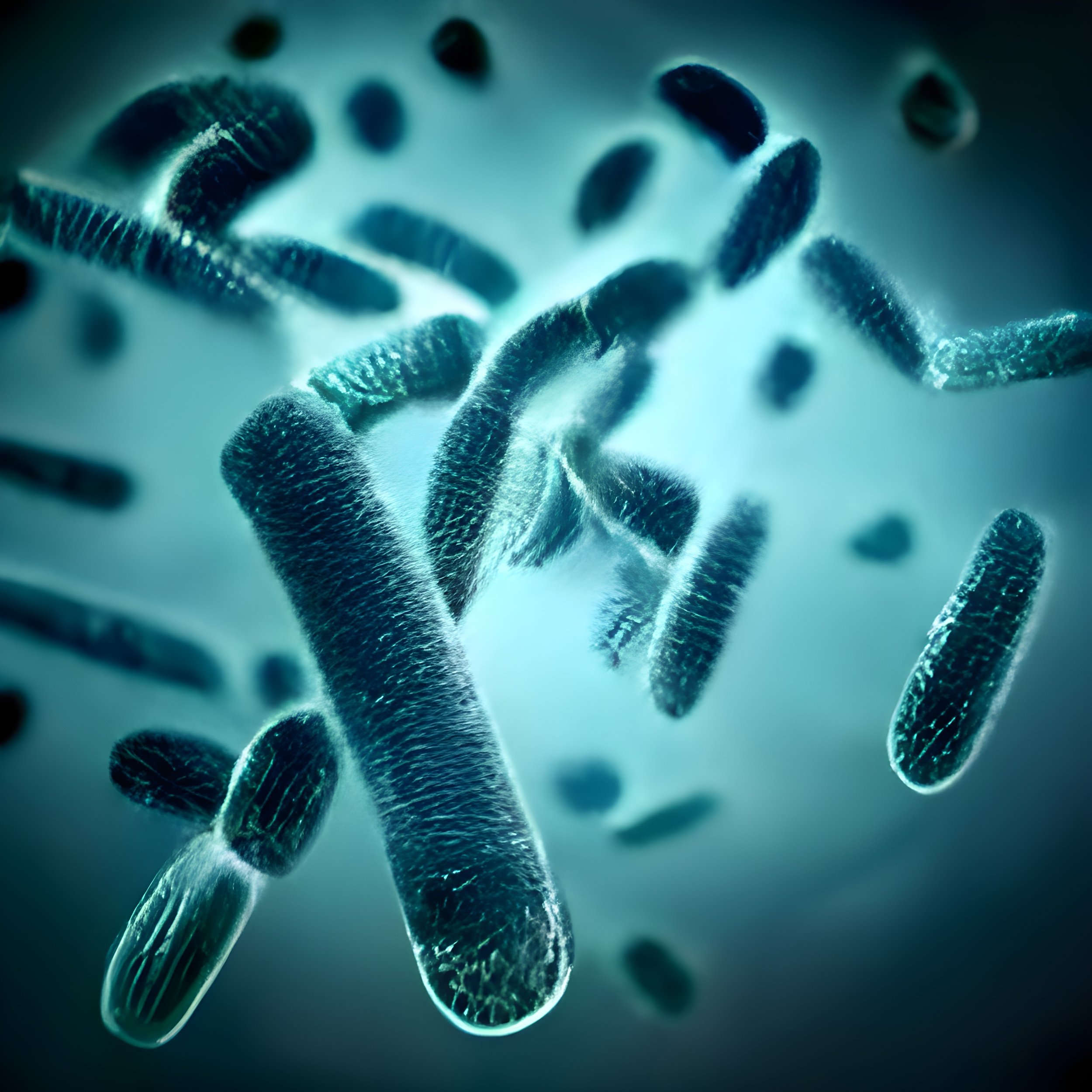
E.coli
The Research: University of Strathclyde's Hoskisson Lab
Prof. Paul Hoskisson leads a research group at the University of Strathclyde with a focus on tackling AMR through discovering novel therapeutic molecules, optimising antibiotic production, and understanding how resistance evolves and spreads.
A key study from the lab, led by Dr. John Munnoch, examined the metabolic capabilities of clinical AMR E. coli isolates and compared them directly with commensal (non-pathogenic) E. coli strains that normally inhabit the human gut.
The Method: Carbon Utilisation Profiling at FlexBIO
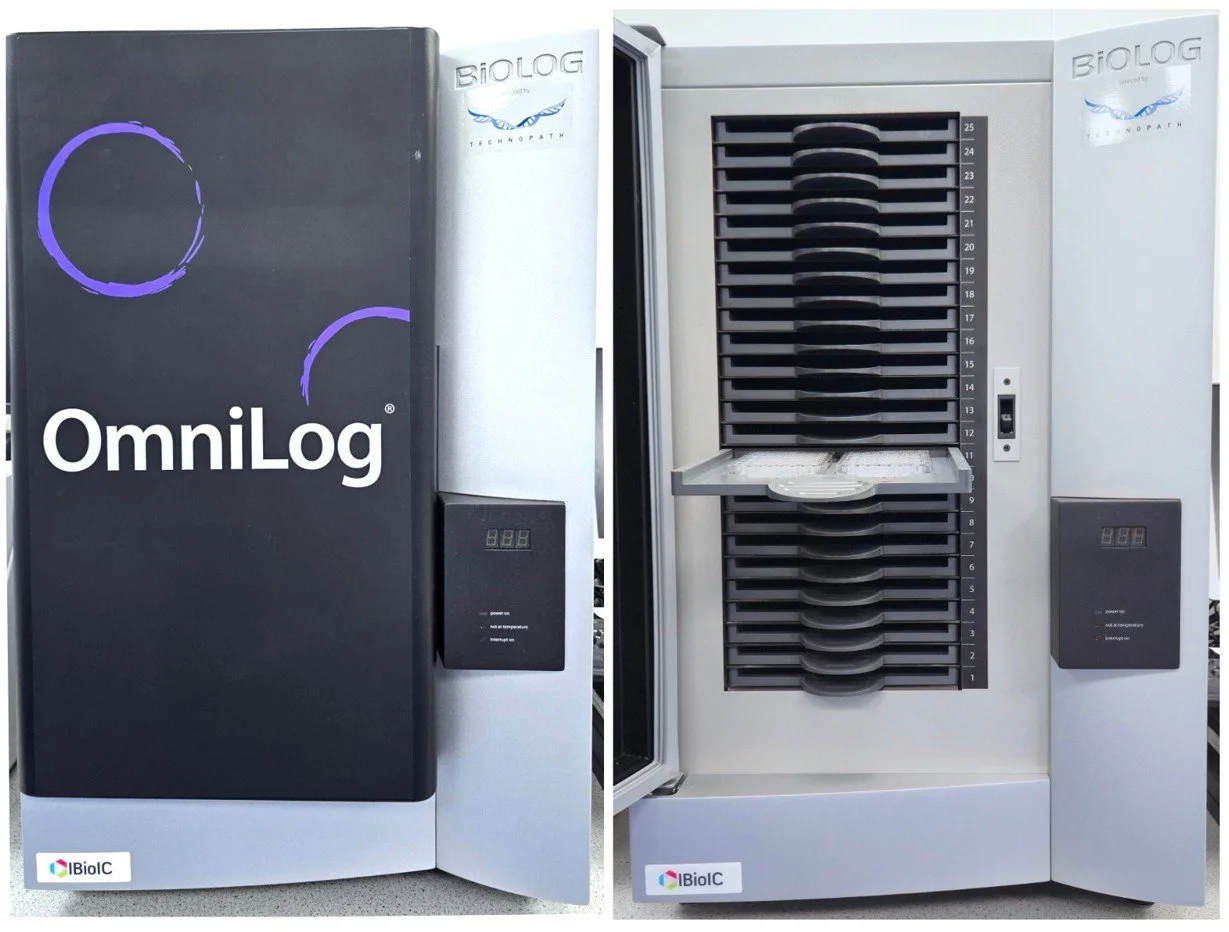
The research team used the OmniLog system at FlexBIO to conduct carbon utilisation profiling, a technique that measures how efficiently bacterial strains can grow on a wide range of carbon sources.
The central observation that prompted this metabolic investigation came from gnotobiotic mouse models: clinical AMR E. coli isolates were able to outcompete commensal E. coli strains in the gut without any antibiotic selection pressure present. Something beyond resistance genes alone was giving these strains a competitive edge.
The Finding: Resistance Plasmids Also Carry Metabolic Genes
The OmniLog profiling revealed that AMR E. coli strains showed improved growth on specific carbon sources compared to commensal strains. Crucially, the genes encoding the enzymes responsible for metabolising those carbon sources were located on the same plasmids that carry antibiotic resistance genes.
This means that when a bacterium acquires an AMR plasmid, it does not only gain resistance to antibiotics. It also gains enhanced metabolic capabilities that may allow it to colonise the gut more effectively by utilising available nutrients more efficiently and displacing the commensal bacteria.
The Impact: A New Evolutionary Pathway for AMR Persistence
The findings, published by (Connor et al., 2023) describe a previously unreported mechanism explaining how AMR strains can maintain fitness advantages in the absence of antibiotic pressure. Key implications include:
AMR plasmids are not metabolically neutral. The carriage of resistance plasmids can confer direct fitness benefits through co-located metabolic genes.
Increased diversity in carbohydrate metabolism genes. Strains carrying AMR plasmids may outcompete susceptible strains by being better at utilising available carbon sources in the gut.
Why This Matters for AMR Research and Treatment
Understanding why resistant bacteria persist and spread in the absence of antibiotic pressure is critical to developing effective interventions. If metabolic fitness advantages are aiding the retention of resistance genes, then strategies focused solely on reducing antibiotic use may not be sufficient to reduce AMR burden.
This research opens new directions for investigation, including whether targeting the metabolic pathways encoded on AMR plasmids could reduce the competitive fitness of resistant strains. It also highlights the value of phenotypic screening tools like the OmniLog in characterising the full functional impact of plasmid acquisition, beyond resistance phenotypes alone.
About the Research
Institution: University of Strathclyde, Glasgow
Research Group: Hoskisson Lab
Principal Investigator:Prof. Paul Hoskisson
Lead Researcher:Dr. John Munnoch
Technology Used: OmniLog Carbon Utilisation Profiling (FlexBIO)
Publication:Connor et al., 2023
Work with FlexBIO
FlexBIO supports academic and industrial research teams with access to specialist bioprocessing and analytical equipment - including the Omnilog system used in this study. Whether you need high-throughput metabolic profiling, fermentation development, or downstream processing support, our team works alongside yours to generate the data that moves your project forward.