

Glasgow Clyde College HND Apprenticeships Case Study Special - Samantha Birrell
In this case study special, we’re talking with former HND students who have completed their HND and apprenticeship with Antibody Analytics and are now progressing their careers. In this case study, we meet Samantha Birrell; Junior Scientific Support Operative at Antibody Analytics.

The range of interesting modules convinced Rachel to apply for our MSc programme.
MSc student Rachel McGhee told us about her ambition to be a Project Manager in the life sciences industry and that advances in gene-editing, AI, and medical devices could be the next big innovation in IB.

Nicola’s passion for micro algae’s potential in circular value chains is driving his career ambitions
Nicola Voiculescu has particularly enjoyed learning about the circular economy in Scotland during his MSc studies, and hopes one day to launch his own start up.

Rishivanth has his sights set on a career in biomanufacturing
Modules in bioprocessing and downstream processing, along with his industry placement at MiAlgae, have piqued Rishivanth’s interest in a career in biomanufacturing, and he is looking to become an expert in this area after he completes his MSc studies.

Charlotte aspires to work in a lab-based research role after her MSc
Charlotte says her summer placement has been a learning experience that will make her a more well-rounded scientist when she starts looking for a role as a fermentation scientist after her MSc studies.

Amber is looking forward to a career in bioinformatics when she completes her MSc
MSc student Amber Minhas tells us how her industry placement with Dyneval has enhanced her specialist knowledge and given her hands-on experience that has boosted her confidence, and how bioinformatics offers tremendous opportunities to propel advancements in the field.

Innovative biotech project moves closer to spinning out its novel biosensing technology
This exciting project has enabled Nanosensr to secure a commercial champion and further funding, and also map the regulatory landscape for novel biosensor technology.

Creating the next generation of Lithium Ion Batteries (LIBs) from Sustainable Seaweed Polymers
This successful project has moved SV alginate anodes for use in Lithium-ion batteries from proof of concept to late TRL 4 . MBL now hope to deliver commercial solution to market within the next three to five years.

A Feed of the Future: Optimising phytoplankton cultivation, composition, and digestibility
This project assessed the effect of growth media formulation and time of harvest on the growth rate, biochemical composition, and digestibility of a selection of phytoplankton maintained at CCAP, and identified two strains of commercial interest.
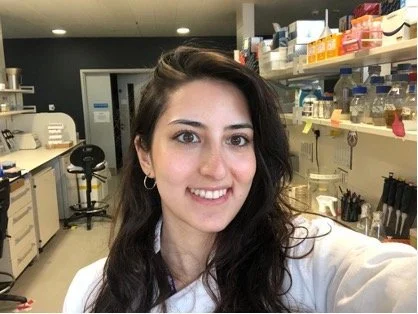
Industrial collaboration convinced Elmira to undertake her PhD project
Having done the IBioIC Industrial Biotechnology MSc, Elmira understands the value of industry collaboration and wants to maintain the connection between industry and academia in her future career.

Federica has her eye on a career as a patent attorney after her PhD
PhD candidate Federica Casolari is undertaking a PhD project on Developing an enzymatic system for methacrylate intermediates and esters with University of Aberdeen and Ingenza Ltd. In this case study, she talks about coming to a biology focused PhD from a chemistry background, her ambition to become a patent attorney, and her love of baking.

Paolo has his sights set on a career in industry and eventually a PhD after he completes his MSc
With an ambition to become an academic and run his own IB company, Paolo Savoca says the Bioinformatics course and the powerful tools he learned about has been a highlight of his MSc studies.

Understanding environmental issues was Finn’s motivation for joining our HND programme
We asked our students to tell us about themselves and their studies. In this case study, HND student Finn Weddle explains he is looking to combine his language skills with his biotechnology training to support farmers with environmental improvement all around the world.

Opportunity to work under the guidance of excellent biotech companies sold Garry on his MSc choice
We asked our students to tell us about themselves and their studies. In this case study, MSc student Garry Paterson talks about his studies, his ambitions for the future, and how the industry placement scheme sold him on the course.

Working with microbes in a hands-on lab role is Cecilia McCann's ambition
With a background in microbiology, Cecilia is particularly interested in working in industry for a sector which involves microbes such as fermentation science, antimicrobial pharmaceuticals, or in diagnostic tools, particularly involving veterinary diagnostics.

Towards the World’s first natural solution to valorise waste wool
This successful Feasibility Fund project represents a world-first step towards finding a natural solution to valorise waste wool.
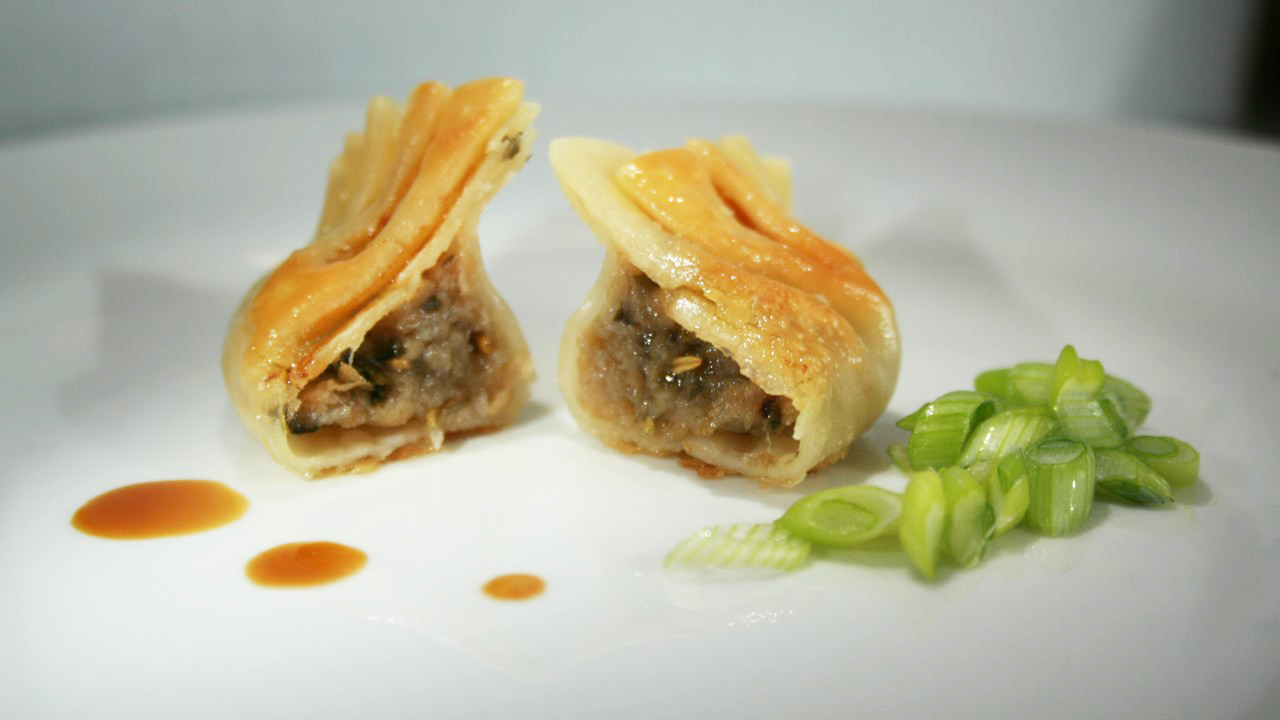
Scale-up of livestock iPSC cultures for cultivated meat
This successful project advanced the development of cell lines for cultivated meat and enabled the team to win additional funding to run further projects.

Selection and characterisation of anti-peptide synthetic antibodies for comparison with conventional reagents
This Feasibility funded project developed two antibodies using biopanning of University of Edinburgh’s phage display library, allowing TAC to successfully apply for further funding to advance the project and bringing potentially significant benefits for the Scottish economy.

Investigating the use of daffodil extracts to treat heart failure
in this project co-funded with the High Value Biorenewables Network, the team successfully developed a process to extract alkaloids from daffodil biomass which could be used in the treatment of heart failure and are now in a position to apply for investment to take the process forward at scale in Scotland.

Producing broad spectrum antiviral therapeutics from cyanobacteria
In this successful Feasibility Project, the project partners identified antiviral therapeutics that can be extracted from cyanobacteria, and gained leverage for additional funding, training opportunities, and developed new methods for fractionating and purifying polysaccharides.