Celtic Renewables and NCIMB form new partnership to further advance biological processes
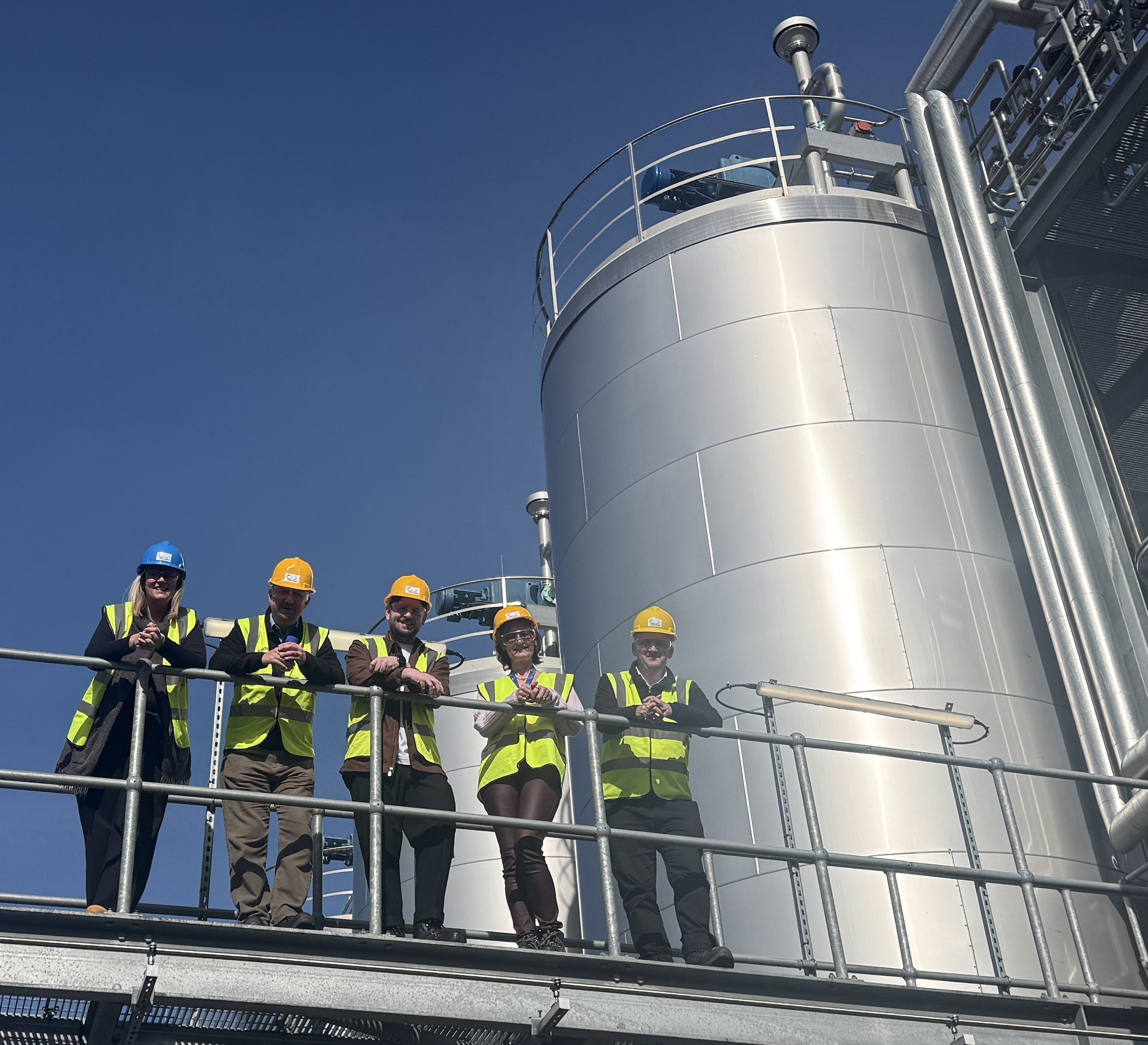
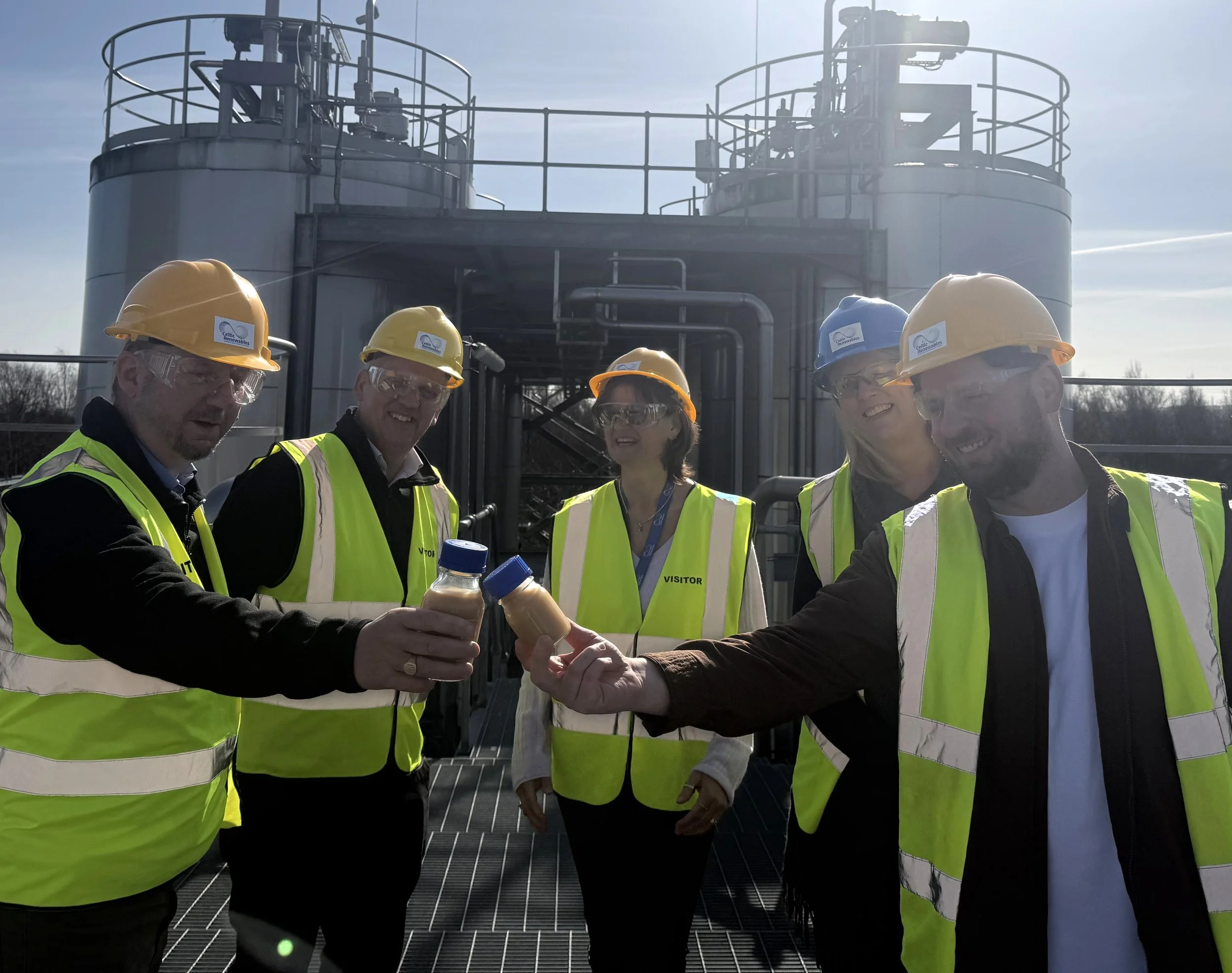
Scottish bio-based chemical manufacturer Celtic Renewables is collaborating on a three-month project with Aberdeen-based microbiology company NCIMB. Celtic converts waste and by-products like potatoes and residues from whisky distillation into bio-based chemicals.
NCIMB will work with Celtic Renewables on an initial 12-week project to assess candidate microbial performance using a range of feedstocks identified by the company, supporting the scale-up of their process.
Currently, acetone and butanol are primarily derived from the petrochemical industry. Celtic Renewables aims to displace the use of fossil fuels by producing biologically derived bio-based chemicals from low-value waste and by-products.
The company recently secured £16.2 million in funding from Scottish Government, Scottish Enterprise and private investors to support the planning and development of an industrial-scale biorefinery at Grangemouth.
Celtic Renewables is already operating a commercial demonstrator plant in Grangemouth and their industrial-scale biorefinery will have ten times the capacity of the current facility. As Celtic Renewables looks to scale its manufacturing processes, it is seeking to broaden the range of waste & by-product materials that can be used as feedstock. To support this, Celtic has partnered with NCIMB to assess candidate microbial performance.
NCIMB is custodian of the UK’s National Collection of Industrial, Food and Marine Bacteria - the biggest collection of industrially relevant bacteria in the UK Biological Resource Centre Network - and provides microbiology services to support industrial biotechnology companies in their research, development and operations.
Lorna Woodcock, Head of Technical & Research, said, “As we scale our process and explore a wider range of feedstocks, it is important that we continue to progress with ongoing optimisation of our biological processes to ensure optimal performance and efficiency. NCIMB is an ideal partner for this work, offering world-class microbial collection and specialist expertise.”
Commenting on the partnership NCIMB’s technology commercialisation manager Dr Reuben Carr said: “I am thrilled that NCIMB is collaborating with Celtic Renewables in this project , which is a perfect illustration of the value that can be unlocked from our collection of industrial bacteria together with our microbiological and strain development expertise. Celtic Renewables is addressing one of the most difficult challenges in the global transition to net zero: how to de-fossilise the chemicals that underpin everyday products. I am truly excited to be involved in delivering a pipeline of innovation that carries this level of impact”.