
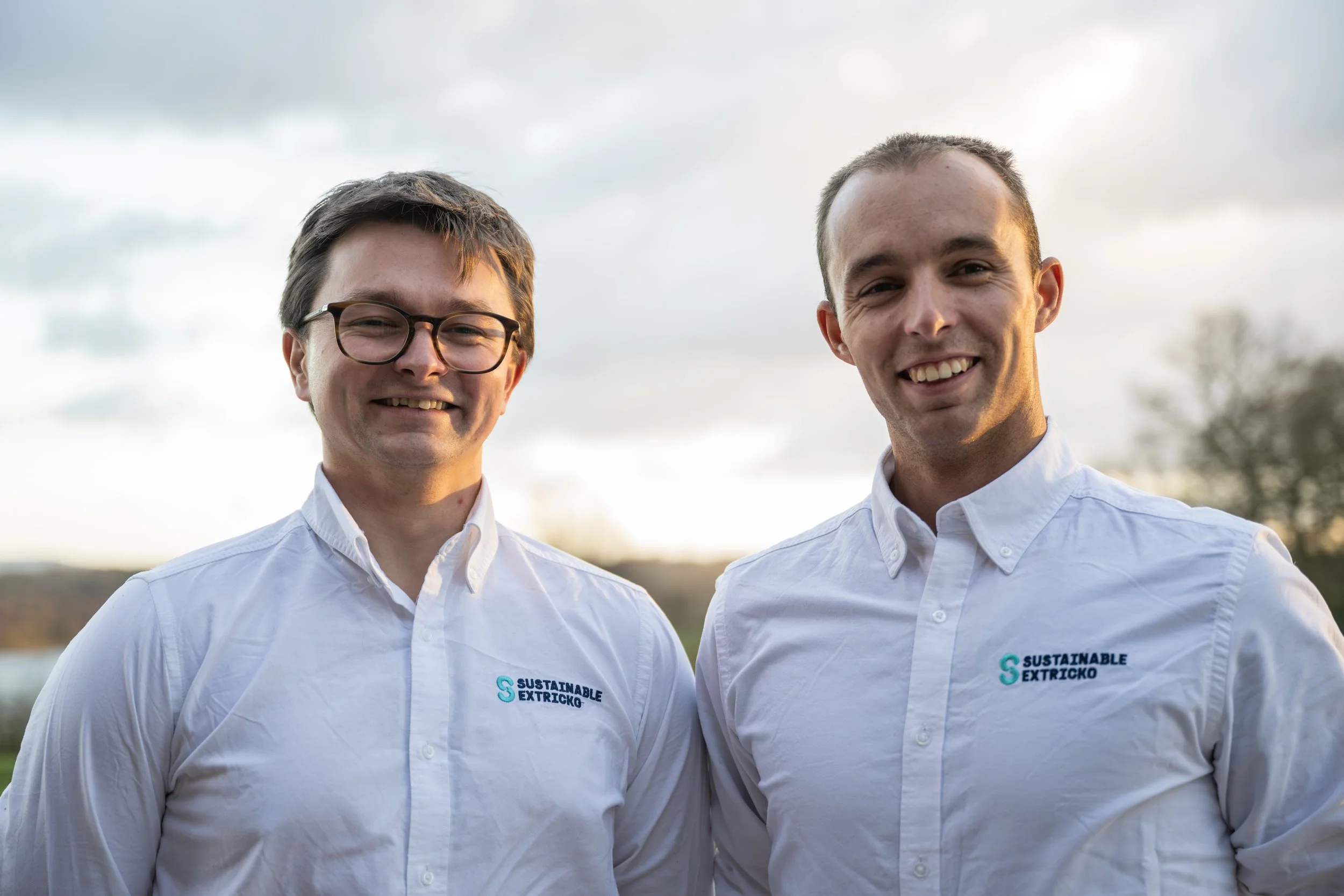
Sustainable Extricko founders Joe Penhaul-Smith and Sam Penhaul
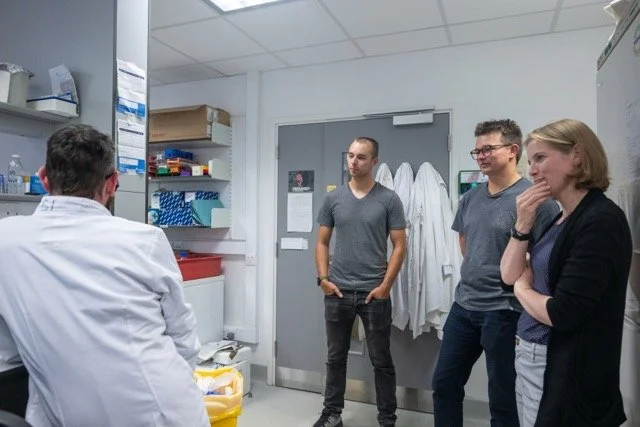
Sustainable Extricko, working with Dr Joanna Sadler, Senior Lecturer in Biotechnology, School of Biological Sciences, University of Edinburgh, has developed a low cost and sustainable process for producing high value molecules from end of life composite materials like carbon and glass fibre. With support from UKRI Innovate UK Launchpad funding and IBioIC’s FlexBIO facility, the partners demonstrated the viability of recovering vanillin and protocatechuic acid, opening a route to circular economy manufacturing at scale.
At a glance
Lead organisation: Sustainable Extricko
Product: vanillin and protocatechuic acid
Funding: Innovate UK Launchpad
Facility: FlexBIO
Result: further R&D funding won and key elements being commercialised
The Challenge: recycling composite materials into high-value products
Composite materials such as carbon and glass fibre are used extensively across various industries, but are hard to recycle and there is currently no effective solution. In particular, maritime wastes like abandoned boats are emerging as a significant environmental issue, giving urgency to the need to find a solution.
Simultaneously, key industrial chemicals vanillin and protocatechuic acid are high value small molecules which have a high carbon footprint and are costly to produce.
The team wanted to explore the potential to address both of these challenges by optimising an innovative process that would support a circular economy approach and reshore critical industrial chemicals.
Optimising pressolysis for chemical recovery
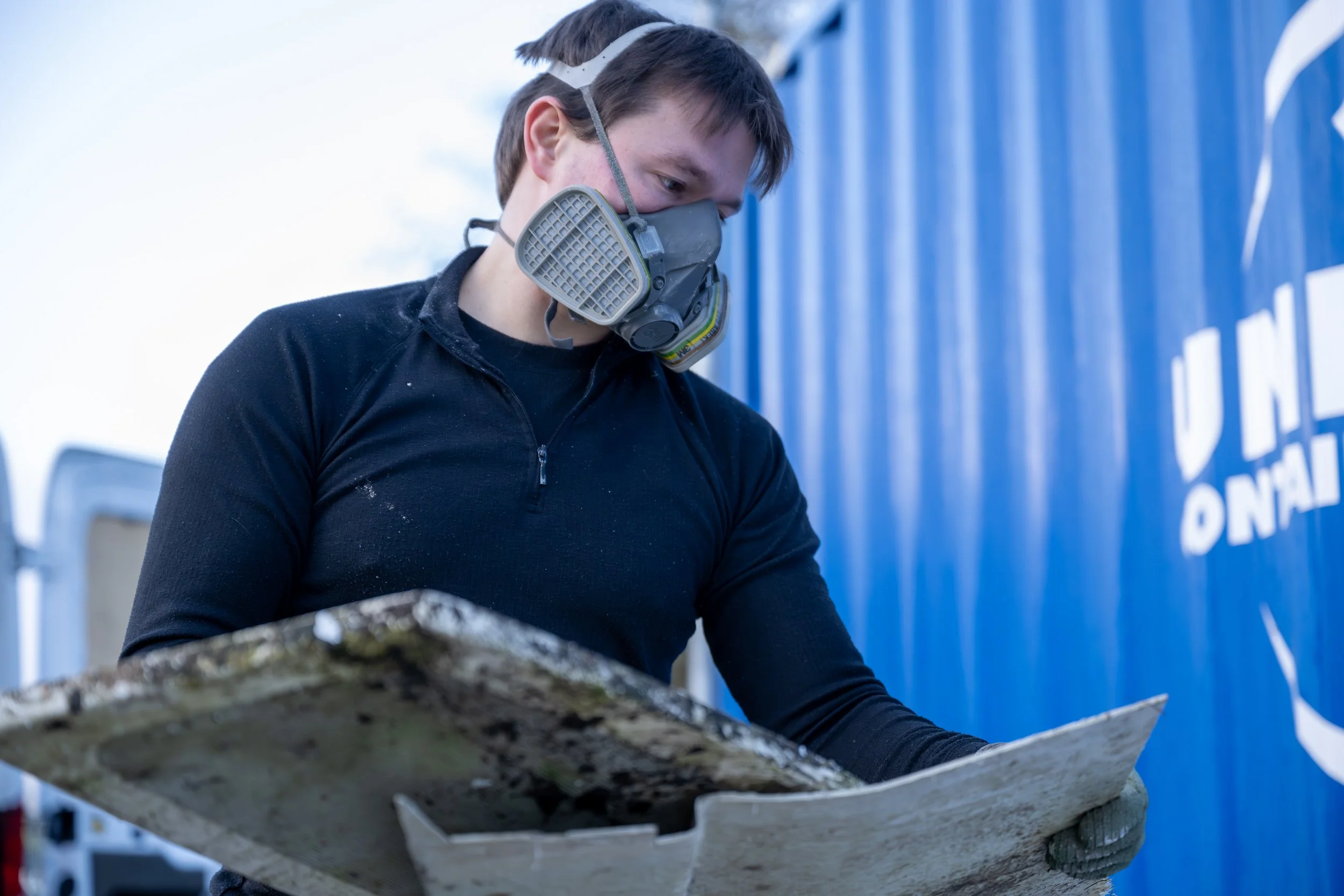
Sustainable Extricko already use a process called pressolysis, which uses pressure cycles and superheated steam to break down complex polymers.The Launchpad project, delivered in collaboration with Dr Sadler at the University of Edinburgh, focused on optimising this process to maximise the selective recovery of target chemicals and support the growth of engineered microorganisms capable of downstream synthesis.
The team partnered with IBioIC’s FlexBIO facility for scaled bioreactor trials. This enabled the team to progress from small scale optimisation to intermediate scale, generating the technical and economic data necessary to support further development and commercial viability.
Achieving a win – from Launchpad validation to commercial momentum
The success of this project has enabled Sustainable Extricko to win further R&D funding and start working with new customers who experience the challenge of composite waste disposal. They are now commercialising key elements of the project, including techno-economic and life cycle assessment approaches to predict the costs and success of scale-up.