Zero waste valorisation of salt whey: Converting a dairy by-product into bioethanol
The challenge
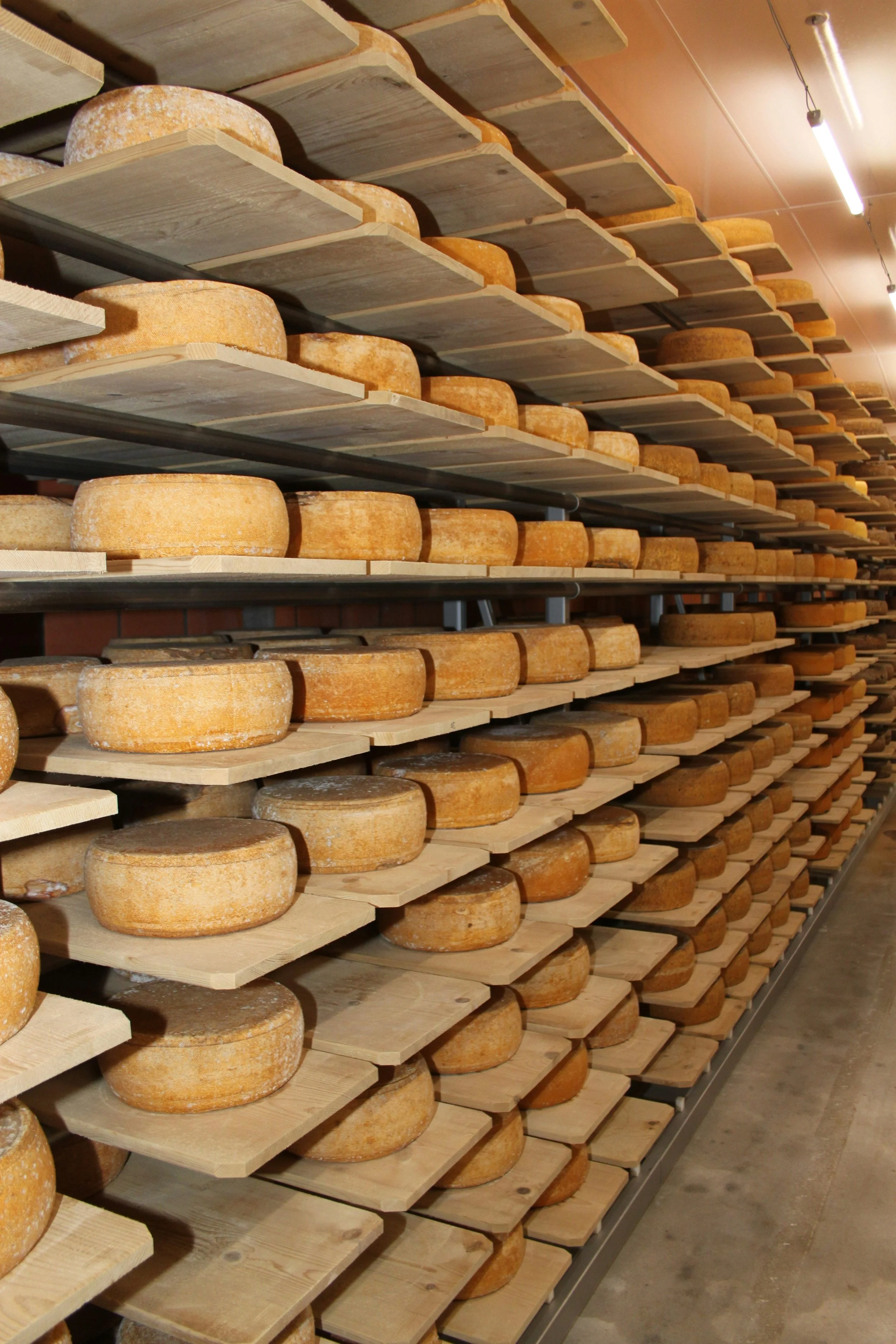
Scotland's dairy industry generates approximately 25,000 tonnes of salt whey annually. This salty by-product presents significant disposal challenges and represents a lost opportunity for resource recovery. The ability to convert salt whey into valuable products through waste valorisation could transform both the environmental and commercial profile of dairy production.
The solution: waste valorisation through fermentation
The Industrial Biotechnology Innovation Centre partnered with Take Root Bio and Heriot-Watt University's International Centre for Brewing and Distilling to develop a waste valorisation pathway for salt whey. The team received funding from IBioIC's Feasibility Fund to investigate whether bio-based solutions could convert this dairy by-product into bioethanol.
Advancing from laboratory to commercial viability
The team developed and optimised methods to overcome high-salt conditions inherent in salt whey, established laboratory-scale processing methods and demonstrated that salt whey transformation into bioethanol is feasible from TRL 2 to TRL 4.
Take Root Bio led the commercial direction of the project, coordinated sample collection from Scottish dairy processors and contributed to selecting suitable processing approaches. The company led the preliminary techno-economic and environmental assessments, scoped the commercialisation roadmap, evaluated market opportunities for the resulting products, and worked with Heriot-Watt University on management and stakeholder engagement.
Heriot-Watt University carried out laboratory research to evaluate the feasibility of converting salt whey into bioethanol. This included analysing whey composition, refining bioprocessing methods, and characterising the main product and remaining by-products. The university also contributed technical expertise to the final report and future scale-up roadmap.
TRL advancement and de-risking
The project successfully advanced from Technology Readiness Level 2 (TRL 2) to TRL 4, moving from concept validation through to laboratory demonstration. This progression generated the scientific evidence needed to reduce technical and commercial risk, whilst also producing the techno-economic and environmental data required to support bioprocess scale-up and future commercialisation.
Supporting commercialisation through circular biotechnology
The project validated a new application for Take Root Bio's modular processing platform and significantly de-risked commercialisation.
As a result of this project, the company now has a route into the dairy sector with multiple product potential, a business opportunity offering either modular processing units or processing as a service, and evidence to support follow-on funding, strategic partnerships, and private investment, as well as a strengthened intellectual property position and reduced technical and commercial risk for scaling towards TRL 5 and beyond.
Strengthening research capability in industrial biotechnology
The project strengthened Heriot-Watt University's industry partnerships whilst generating new knowledge in circular bioeconomy. It provided practical research opportunities for staff and students, expanded expertise in converting industrial by-products into valuable products, and created a strong foundation for future collaborative research and pilot-scale projects and follow-on funding opportunities.