
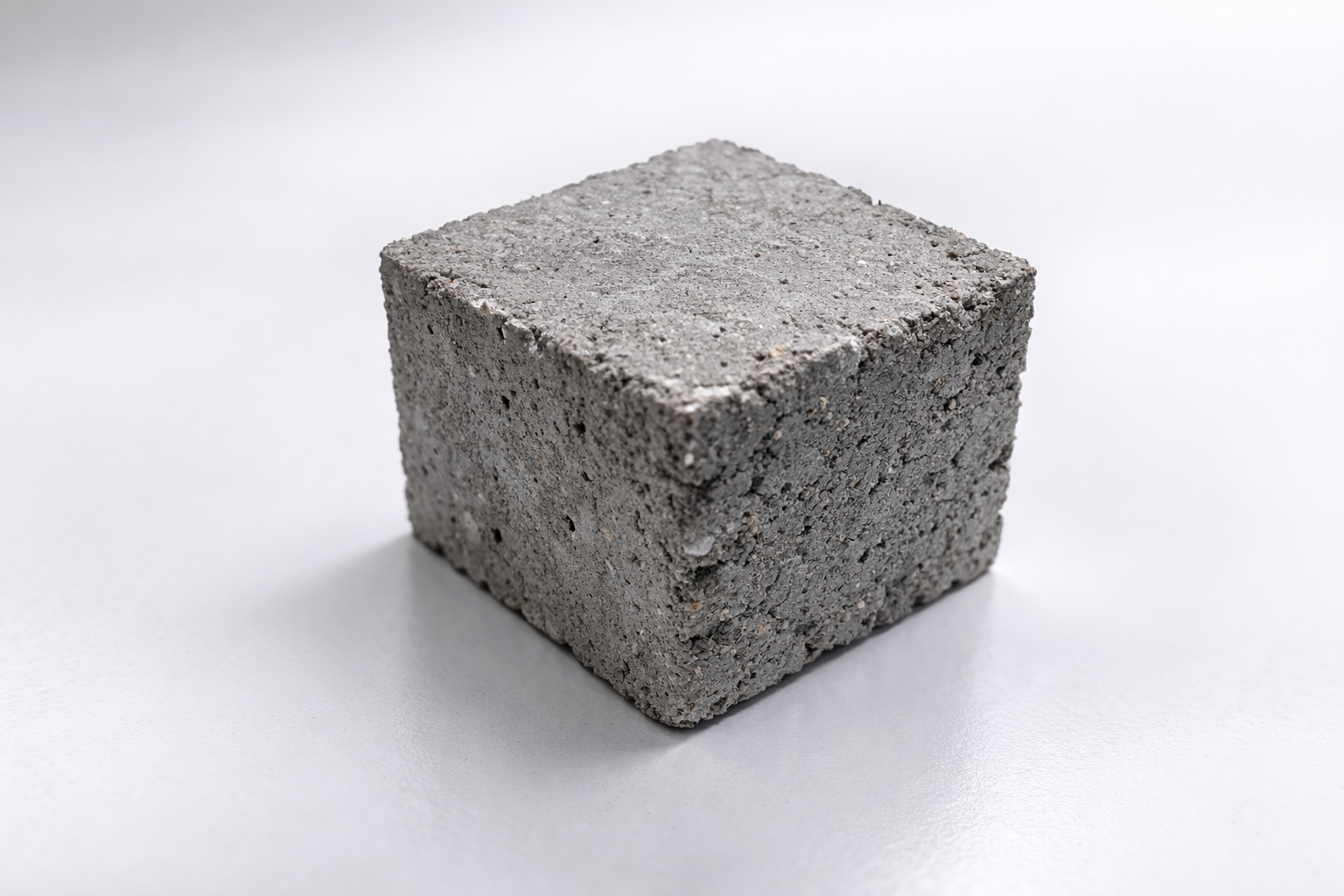
Carbon Negative Construction Materials
This successful project has advanced Ureaka’s ambitions to reduce carbon emissions of cement and concrete production while permanently storing CO2 towards commercialisation.
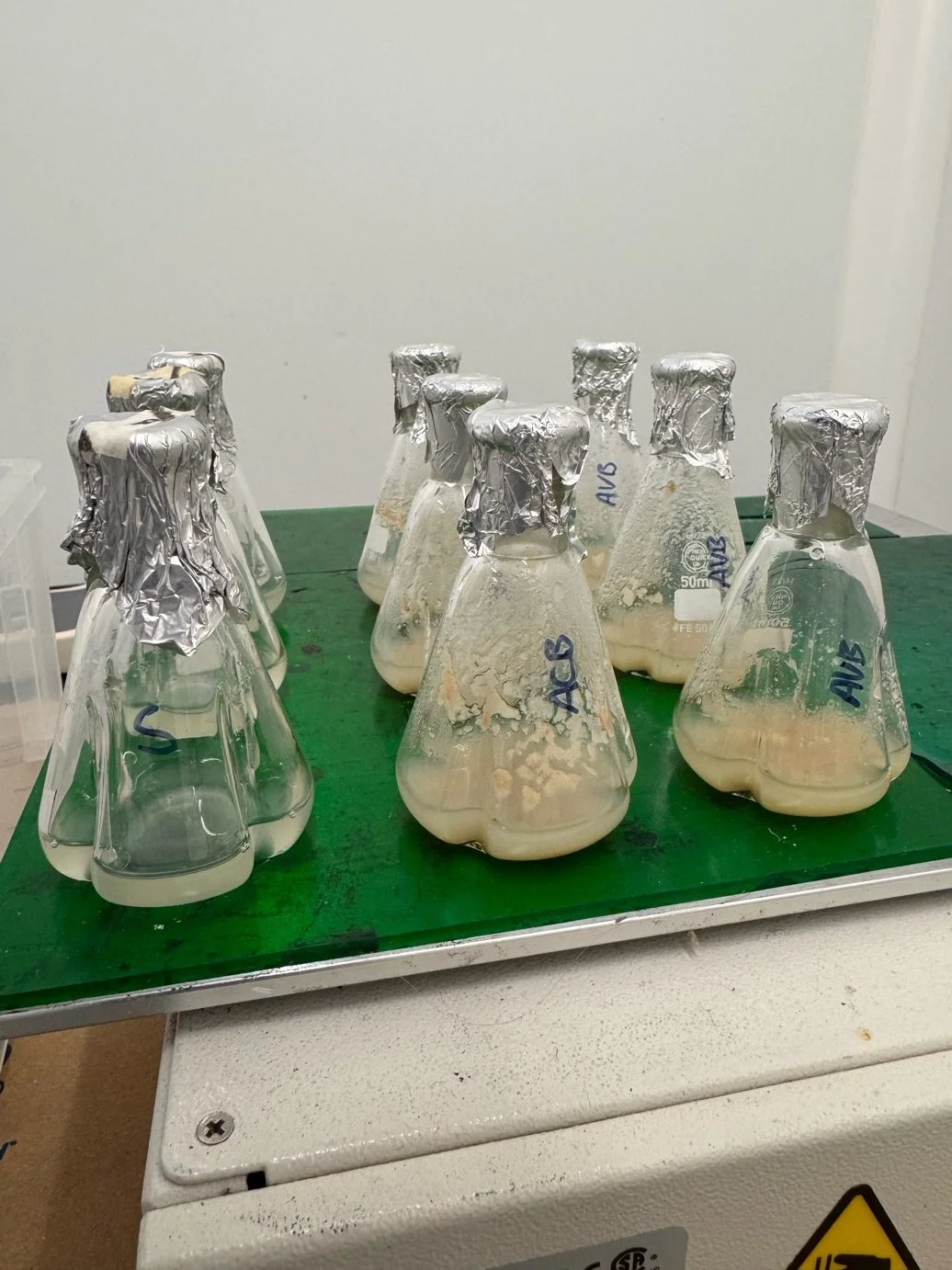
A consolidated bioprocess for one-pot depolymerisation-upcycling of bread waste in engineered bacteria
C-Source Renewables and the University of Edinburgh wanted to explore streamlining the biorefinery/bioprocessing route to develop a simple, one-pot bioprocess for the depolymerisation and biological conversion of bread waste into high-value compounds for use in the materials and pharmaceutical industries.
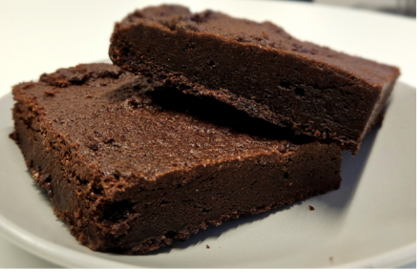
Feasibility and scale up of solid-state fermentation for sustainable cocoa-alternative ingredients
With support from IBioIC, Fermtech partnered with Abertay University on an industry-led project to validate and strengthen its solid-state fermentation platform and accelerate its route to market.
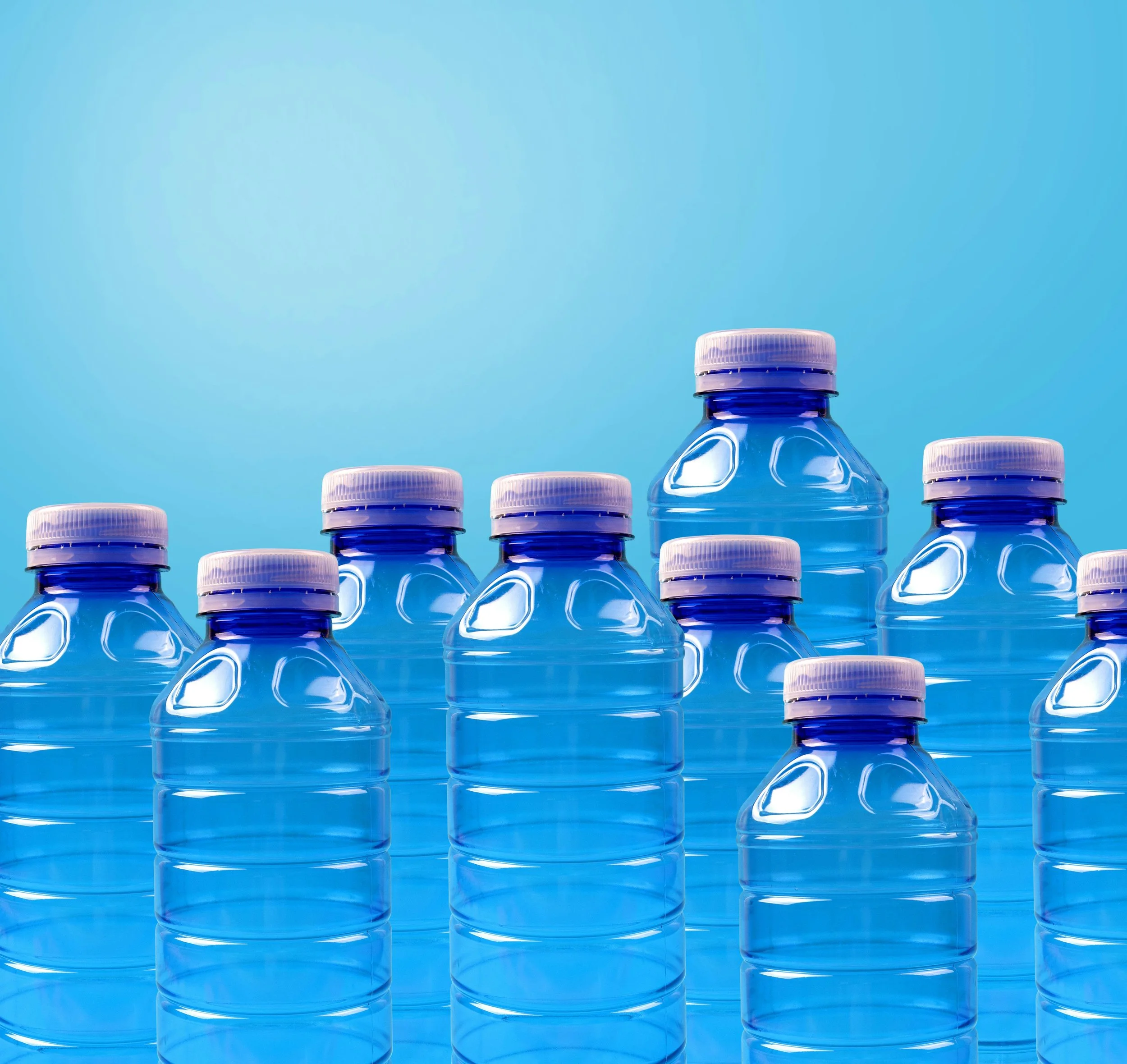
Microbial Synthesis of L‐DOPA from waste PET
Polyethelene terephthalate (PET) is a thermoplastic polymer resin which is used extensively across multiple industries including food and drink, pharmaceutical, cosmetics, and textiles.
Impact Solutions and the University of Edinburgh wanted to investigate the use of modern synthetic biology methods to design bacteria capable of transforming PET waste into the anti-Parkinson’s drug Levodopa (L-DOPA).

Data-driven Optimisation of Protein Production for Industrial Biotechnology
IBioIC funding enabled Ingenza to utilise the bioinformatics experience of DrChris Wood, University of Edinburgh to supplement its own knowledge in machine learning, while generating focused DNA libraries that maximised the training value of smaller biological data sets.

Microbially mediated biological treatment of primary effluent from H2OPE fertiliser production
This project investigated the feasibility of miniaturising and optimising the biological treatment of the wastewater effluents from SEM biofertilizer process.

Biocatalytic routes to generate cancer chemotherapy pharmacokinetic tools
This project with NuCana and the University of St Andrews aimed to find a way to make cancer treatments safer and more efficient via a new technology to improve the bioanalysis of samples.

Separation of Organic Platform Chemicals from Spent Lees
Successful project to assess the feasibility of extracting platform chemicals from spent lees delivers a valuable new feedstock, a bespoke analytical tool, additional product streams and evidence to substantiate the company’s green credentials.
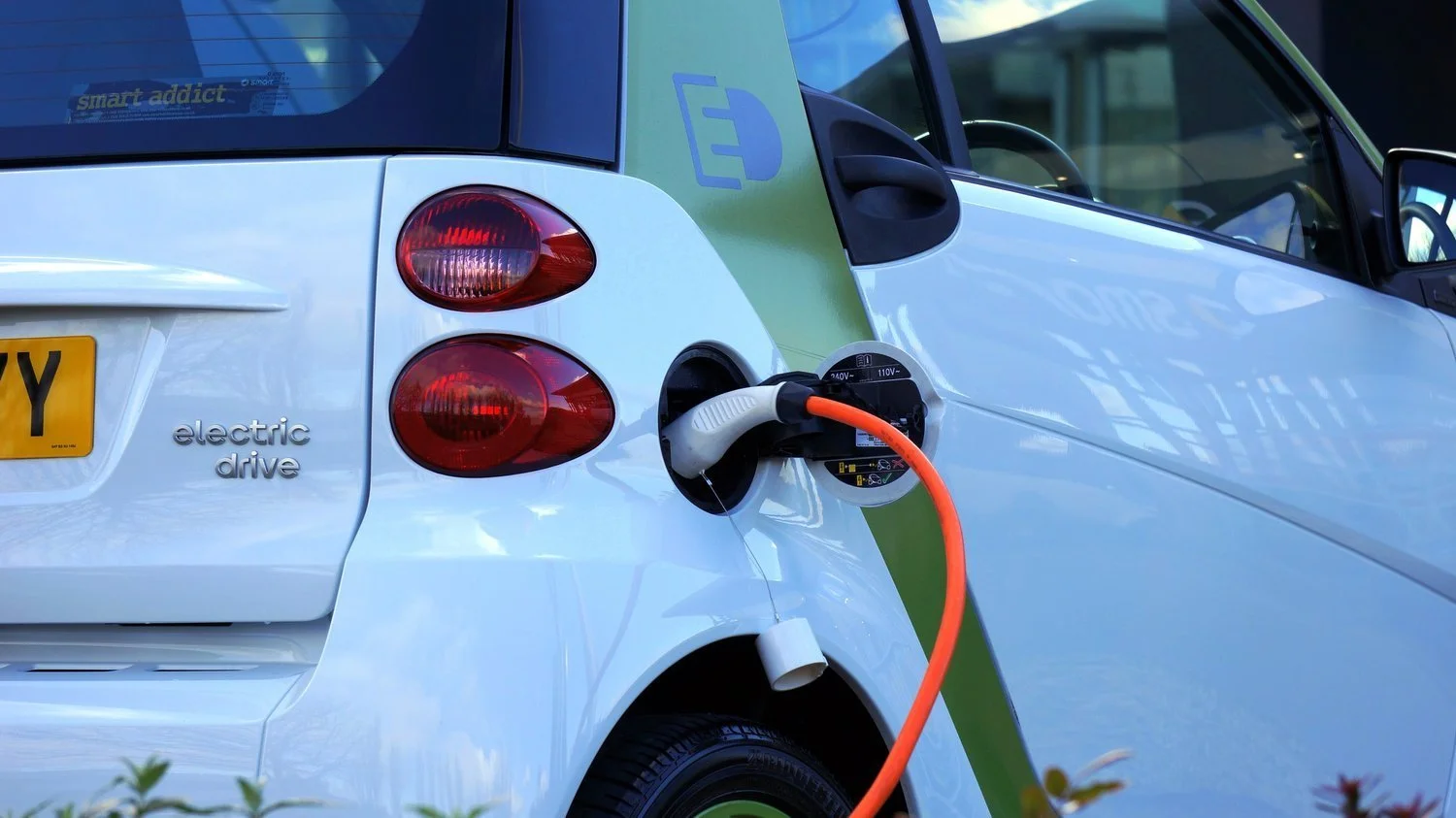
Using biology to recycle critical metals contained in spent LI-ion batteries (LIBs) from electric vehicles
Successful collaboration between FlexBio and the Edinburgh Genome Foundry demonstrates potential impact for future projects.

Conversion of sewage sludge into biochar: Wastewater treatment potential and re-use on land
The success of this project provides opportunities for Scottish Water and Scottish Water Horizons to circularise a process for disposing of Human sewage sludge and cleaning wastewater of phosphorus. The project will contribute to Scottish Water’s commitment to Net Zero by 2040.

Towards the World’s first natural solution to valorise waste wool
This successful Feasibility Fund project represents a world-first step towards finding a natural solution to valorise waste wool.
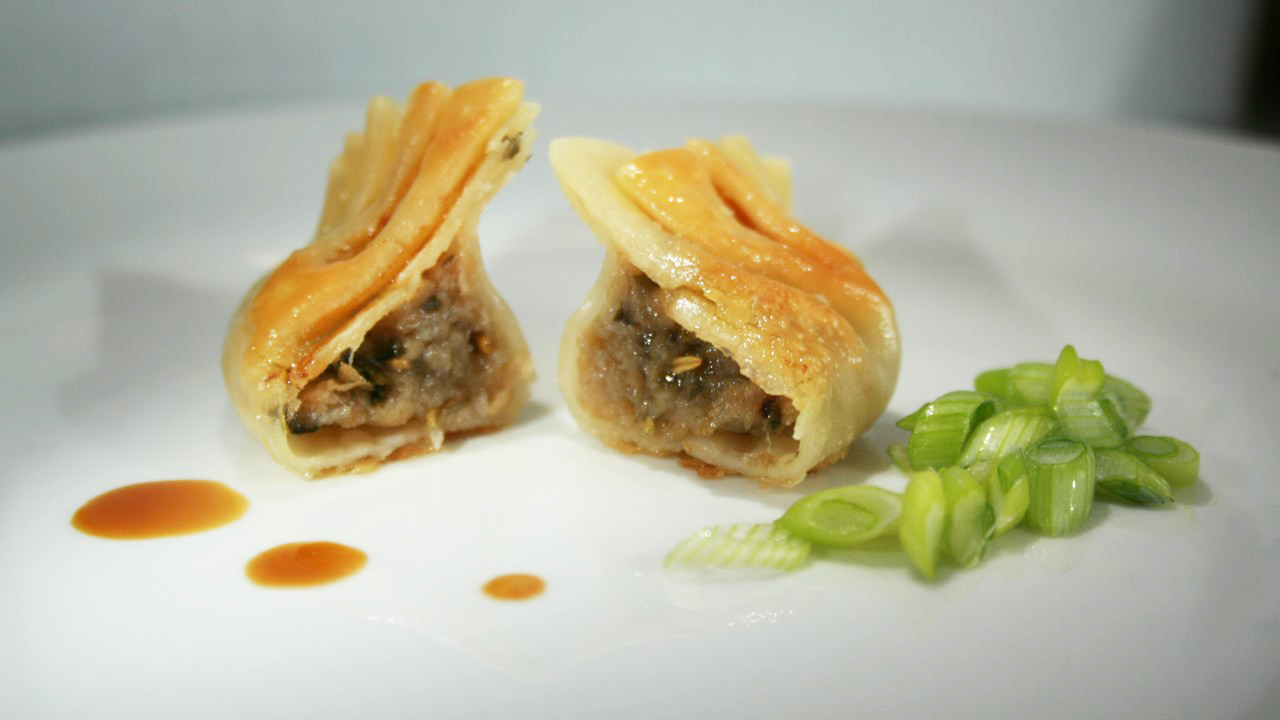
Scale-up of livestock iPSC cultures for cultivated meat
This successful project advanced the development of cell lines for cultivated meat and enabled the team to win additional funding to run further projects.

Selection and characterisation of anti-peptide synthetic antibodies for comparison with conventional reagents
This Feasibility funded project developed two antibodies using biopanning of University of Edinburgh’s phage display library, allowing TAC to successfully apply for further funding to advance the project and bringing potentially significant benefits for the Scottish economy.

Investigating the use of daffodil extracts to treat heart failure
in this project co-funded with the High Value Biorenewables Network, the team successfully developed a process to extract alkaloids from daffodil biomass which could be used in the treatment of heart failure and are now in a position to apply for investment to take the process forward at scale in Scotland.

Producing broad spectrum antiviral therapeutics from cyanobacteria
In this successful Feasibility Project, the project partners identified antiviral therapeutics that can be extracted from cyanobacteria, and gained leverage for additional funding, training opportunities, and developed new methods for fractionating and purifying polysaccharides.

Optimising bacteria production and storage for field-scale application of a new biomineralization technology in ground engineering
Innovation funding enabled the academic team on this project to optimise their bacteria growing process and gave BAM Ritchies an insight into new opportunities, with the project collaborators set to continue to work together beyond the project.
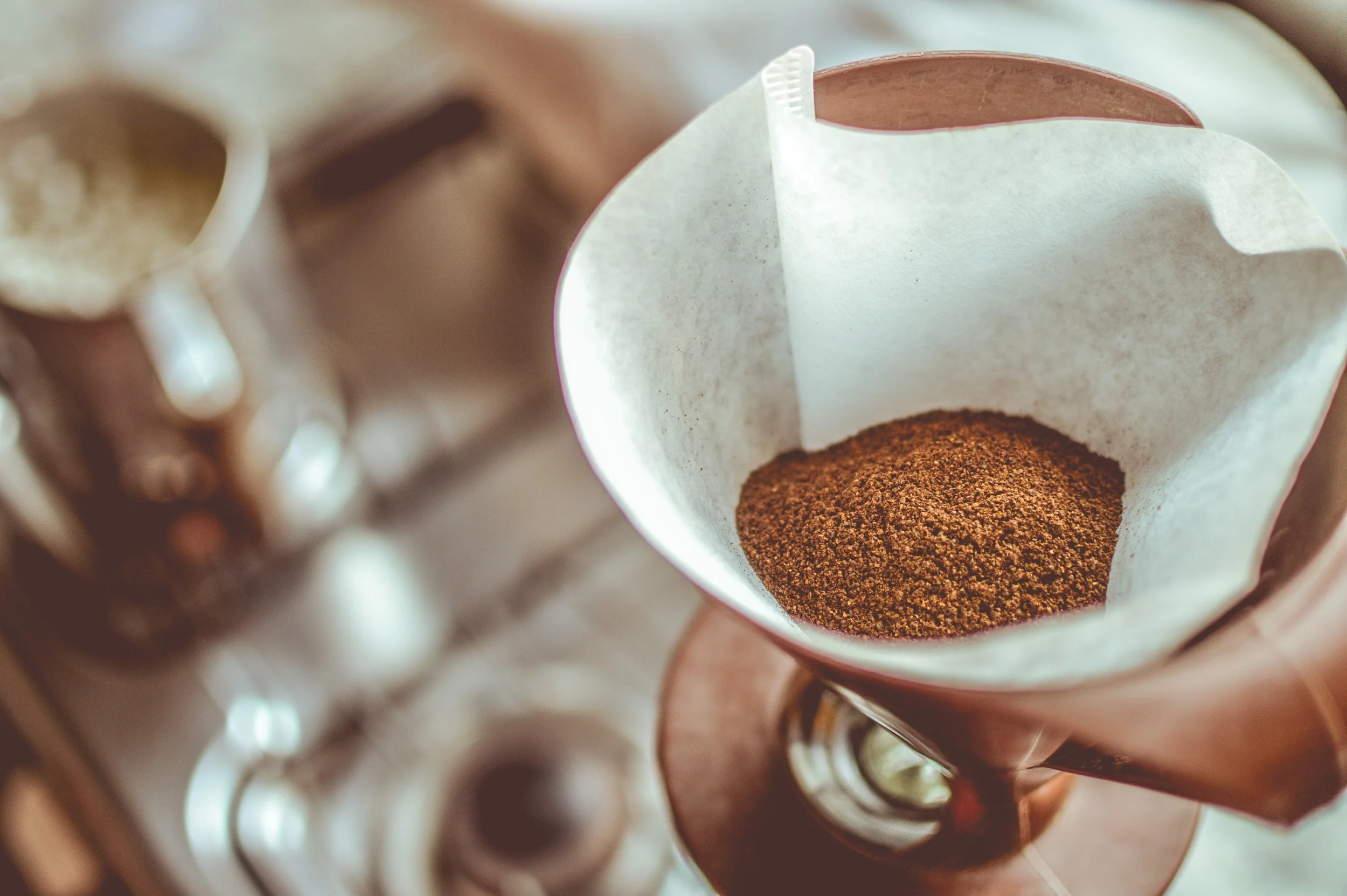
Coffee waste as a source for bioenergy productions
This Feasibliity project by Artisan Roast, University of St Andrews, and Energy Recovery Systems Ltd demonstrated that coffee grounds are a profitable replacement for wood as a source for bioenergy.

A novel plant enzyme for enhancing the viscosity or hydrophobicity of cellulosic materials
Proof of concept was achieved in this Feasibility project to improve the strength and water repellent properties of Cellucomp’s paper-based packaging materials.

Reducing the environmental impact of pharmaceutical production
In this project funded by our Spin Out support programme, XGenix developed a high throughput assay to rapidly screen enzymes.

Exploring the Feasibility of CuanTec’s Process By-products as Sources of Added Value
In this Feasibility project, CuanTec Limited and James Hutton Institute teamed up to analyse the value of side streams from crustacea shells.