

Biocatalytic routes to generate cancer chemotherapy pharmacokinetic tools
This project with NuCana and the University of St Andrews aimed to find a way to make cancer treatments safer and more efficient via a new technology to improve the bioanalysis of samples.

Microbial Bioproduction of Chemicals from Bread and Potato Waste Carbohydrates
Funding from IBioIC’s Feasibility Fund enabled C-Source Renewables and Stephen Wallace from the University of Edinburgh to work together to assess the potential for bread and potato waste generated from food waste to be used as a viable glucose replacement for the bioproduction of three chemicals used to make valuable industrial products which are currently manufactured from diminishing fossil resources.

Transforming fish oil waste into a biobased surfactant
This project aimed to address two distinct issues; costly waste from salmon fisheries and the toxicity and unsustainability of conventional surfactants, which are produced from synthetic or petrochemical feedstocks.

Biocatalysis to generate next generation Protides
Innovation funding of £100k from IBioIC enabled NuCana to work with Dr Czekster at St Andrews University on a project to combine organic synthesis and biocatalysis to generate completely novel ProTide compounds with possible activity as anti-viral or anti-cancer agents.

Recycling and remediation of metal from advanced alloy waste
High-performance steels and alloys necessary for modern applications comprise of a plethora of valuable and critical metal resources such as nickel, cobalt, tantalum, niobium, and rhenium, which are currently poorly recycled. SEM wanted to look at potential routes to the recovery of metals which can then be re-used.

Improving the sustainability of resins and films with natural lignin derived from biomass residues
Lignin is a material obtained from woody biomass, such as forestry waste suitable for a range of applications. Sonichem wanted to investigate the feasibility of using their natural lignin in the production of advanced, bio-based and sustainable films and resins in packaging and composite manufacturing.

Amelia applied her undergraduate experience in brewing and distilling to her MSc.
Amelia Webb particularly enjoyed the course held at SAMS where she learnt all about the importance of Blue Biotechnology and hopes to explore this further in her career.

Jess’ interest in sustainability and protecting the environment lead them to a PHD with Unilever
For this PHD, Jess Tallis is investigating Optimisation of glycosylated triterpenoid production in S. cerevisiae, with Unilever. Jess tells us about their passion for teaching and how the outcomes from this PhD have the potential to extend into other areas including vaccine production, cancer therapeutics and treatments for neurodegenerative disorders.

Glen’s MSc led him to continue his work for a PHD with The Antibody Company
For his PHD, Glen Watt is Generating a Novel High-affinity Multi-targeting Therapeutic Antibody for Multiple Myeloma, with The Antibody Company. In this case study, Glen hopes tells us about his PhD and how he hopes to help improve the poor patient survival rate for Multiple Myeloma.

Rebecca’s PhD aims to turn innovative synthetic biology into practical solutions that can benefit society
For Rebecca’s PHD, she worked with Fujifilm Diosynth Biotechnologies on Novel insulators that can enhance and sustain transgene production. In this case study, Rebecca shares her desire to help guide and inspire as well and discussing how advancements in synthetic biology have the potential to revolutionize IB

Maryam wants to utilize biotechnology to help improve quality of life worldwide through pharmaceutical research and development.
Maryam Mohamed knew IBioIC’s MSc course with its combination of modules from multiple universities across Scotland, Industry connections and a work placement, would be the right place to advance her career in biotechnology.
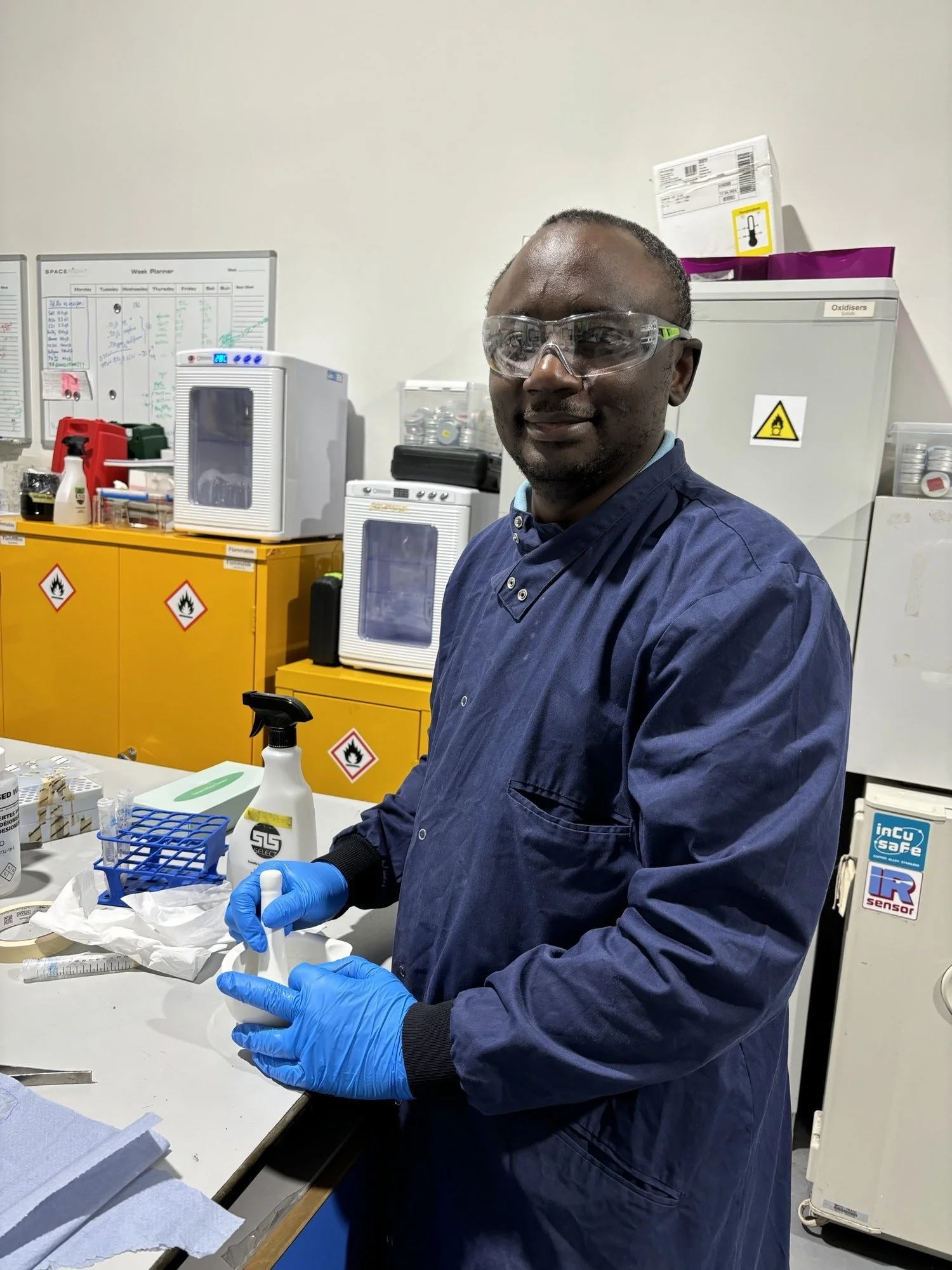
The potential uses for Biotechnology in food, pharmaceuticals, fuel and waste management encouraged Allan to undertake this MSc.
For his MSc, Allan Kisubi has built on his interest in bioprocessing and aims to use this knowledge to move onto a PhD.
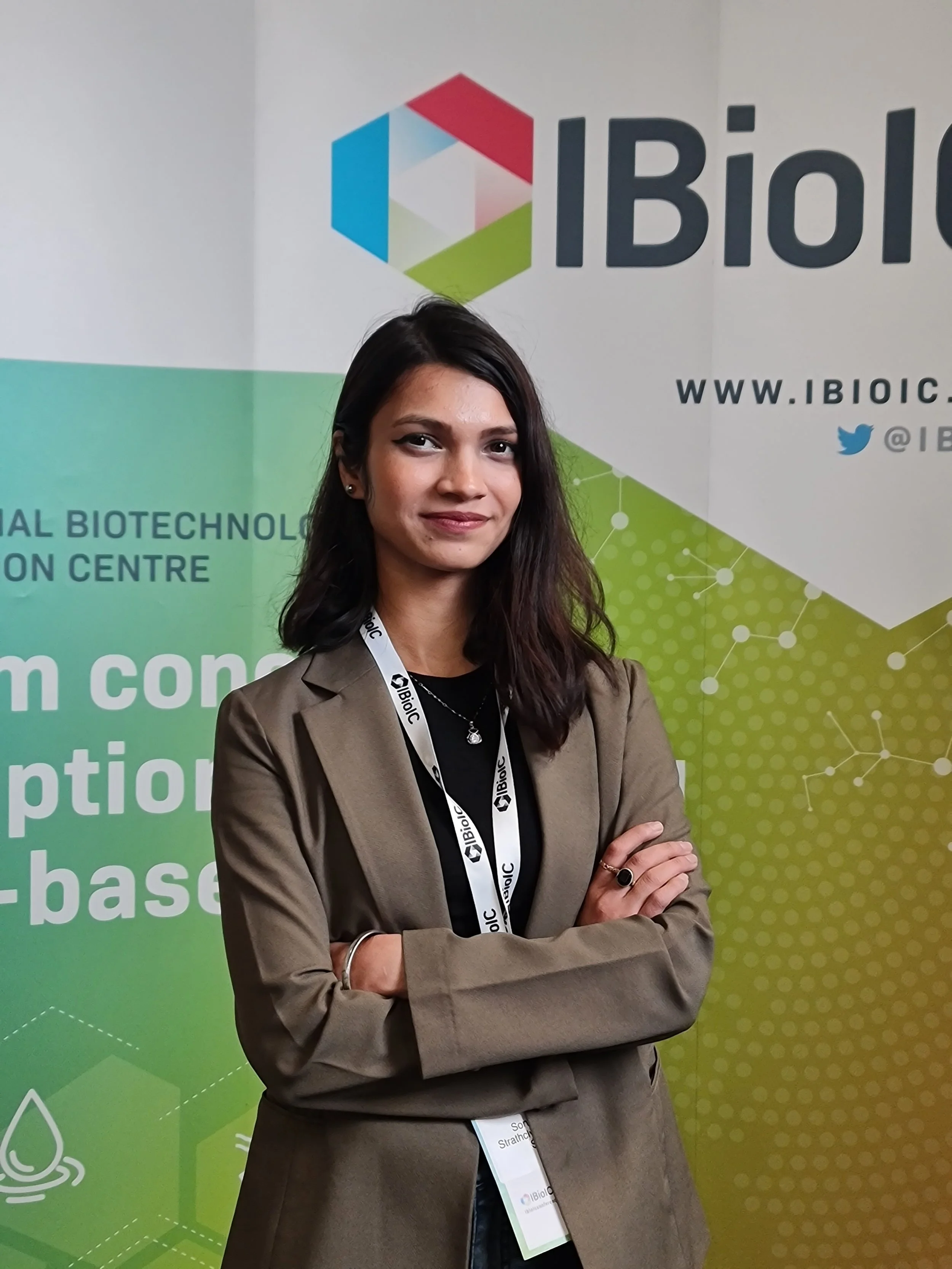
Our MSC provided real-world insights that complemented and enhanced Soniya’s academic learning.
Soniya Singh aims to build on the experience from her bachelor’s in biotechnology and aspires to innovate, lead, and contribute to positive advancements in the sector.
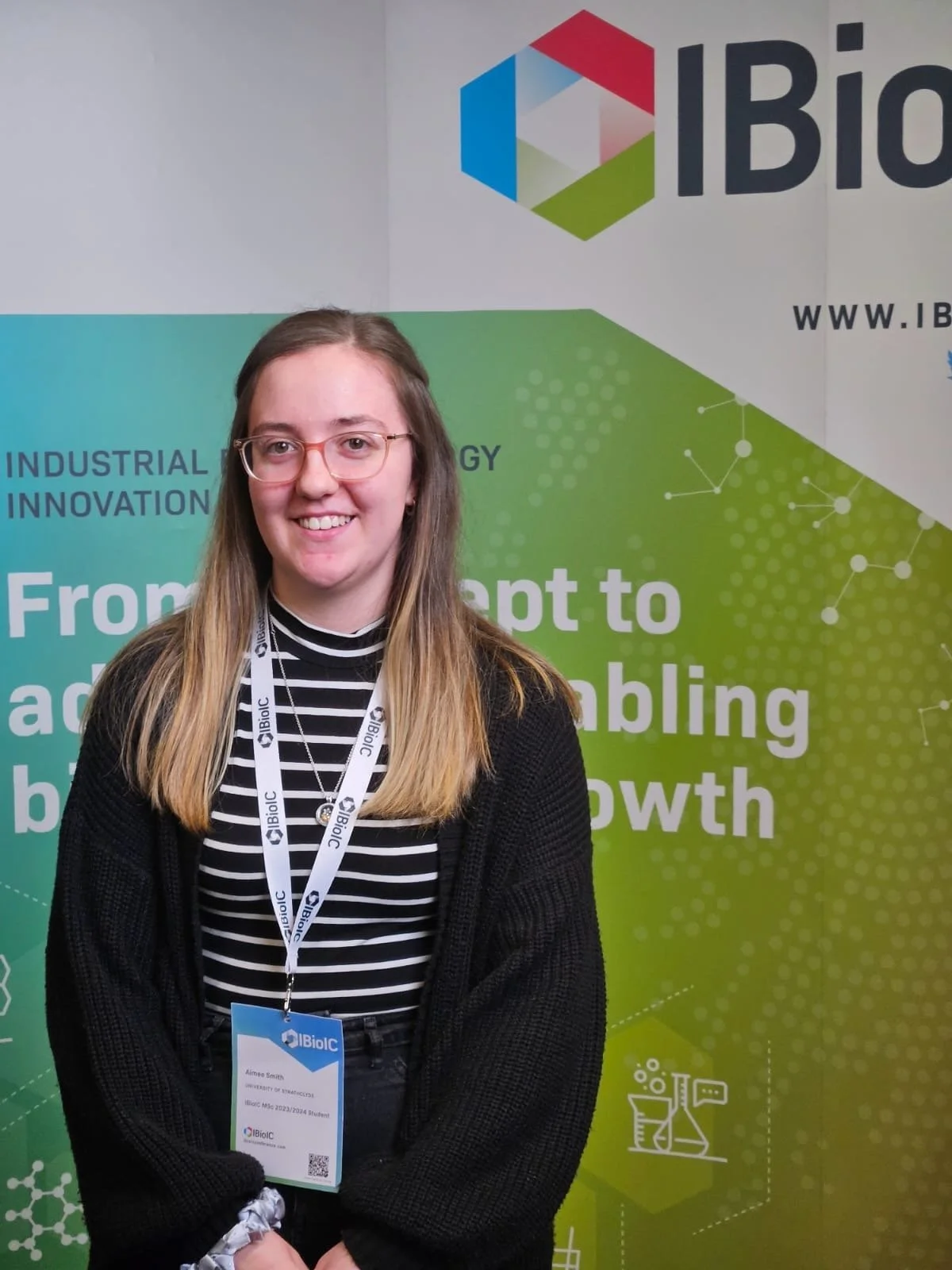
The opportunity to work at a company and get hands on experience in biotechnology persuaded Aimee to apply for our MSc
MSc student Aimee Smith tells us what attracted her to our MSc course and shares her hopes to continue a career in Microbiology.
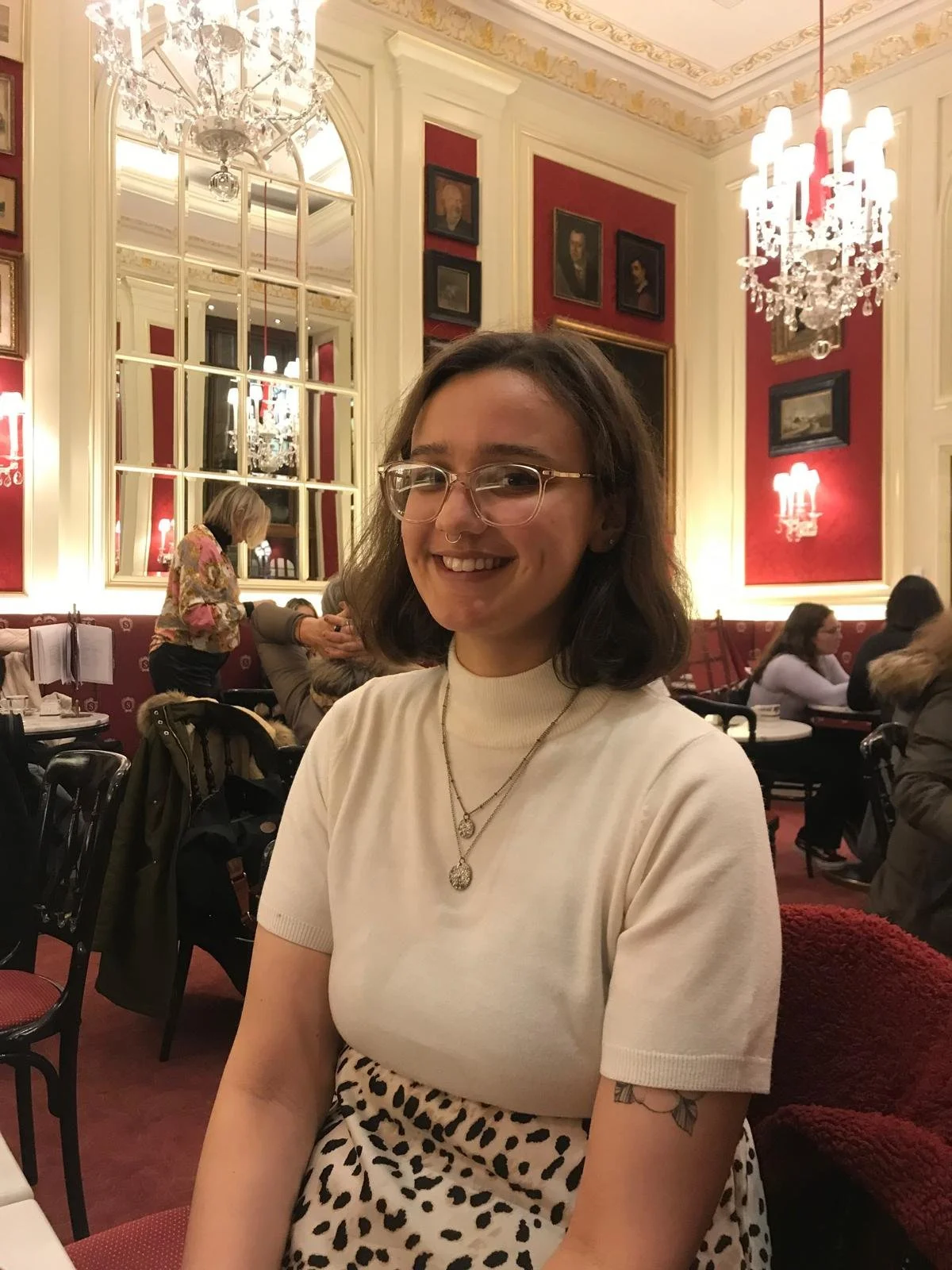
An interest in working with industry on real-world problems led Nisreen to start a PHD
Nisreen Chahid is undertaking a collaborative PhD project with Fujifilm Diosynth Biotechnologies, looking at Novel Strategies to Improve Yeast as an Expression Platform. For this case study, Nisreen shares their hopes for the future and how Artificial Intelligence (AI) could lead us into exciting new directions.
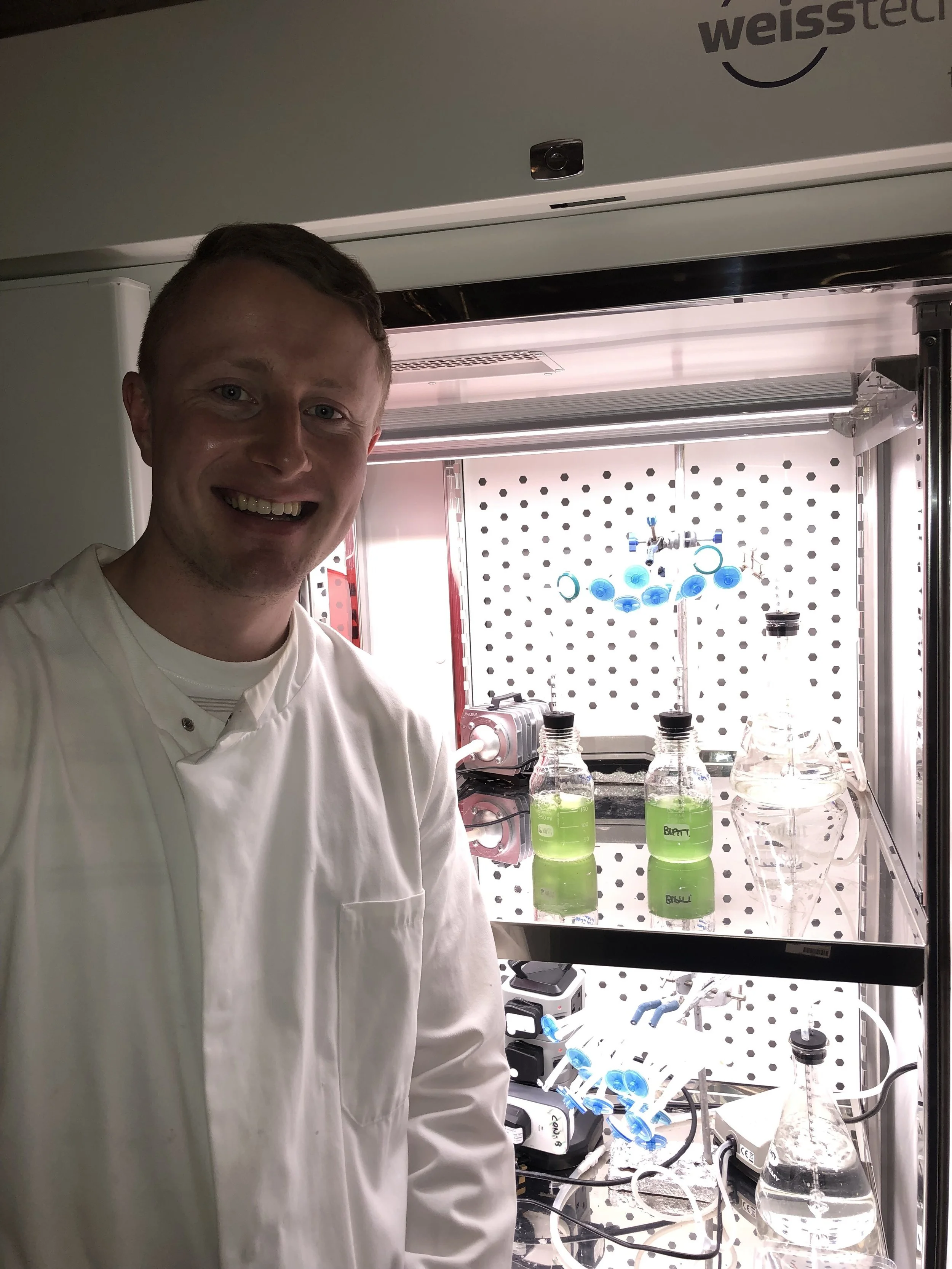
Liam’s PHD investigates how light can control gene expression
For his PHD, Liam Forbes is Applying Optogenetics in Green Cell Factories, with Xanthella. In this case study, he tells us about his hopes for the future regarding photosynthetic organisms and how one day they may be used to make products using light and CO2.

Separation of Organic Platform Chemicals from Spent Lees
Successful project to assess the feasibility of extracting platform chemicals from spent lees delivers a valuable new feedstock, a bespoke analytical tool, additional product streams and evidence to substantiate the company’s green credentials.

Vaccine production platform for Strep A using E. coli
This project saw RHAPSEDA clone, test, and verify an alternative production approach for a Strep A vaccine production platform. A successful outcome has advanced the company’s plans for commercial production of a genuinely affordable vaccine for all.

Using biology to recycle critical metals contained in spent LI-ion batteries (LIBs) from electric vehicles
Successful collaboration between FlexBio and the Edinburgh Genome Foundry demonstrates potential impact for future projects.

A circular approach in aquaculture- Advancement of a biosurfactant extracted from fish low value by-products
This Feasibility Fund project explored the use of oil extracted from fish industry waste to create an eco-friendly, high-value, biobased surfactants, an innovative approach that could ensure affordability and align with sustainable practices.