

Eco start-up makes waves to give sailing waste a second life
Waste textiles from sailing boats could be given a new lease of life as a result of a research project upcycling plastic fibres from sails into new chemicals such as vanillin – the compound used in cosmetics and food products for a vanilla flavour and smell.
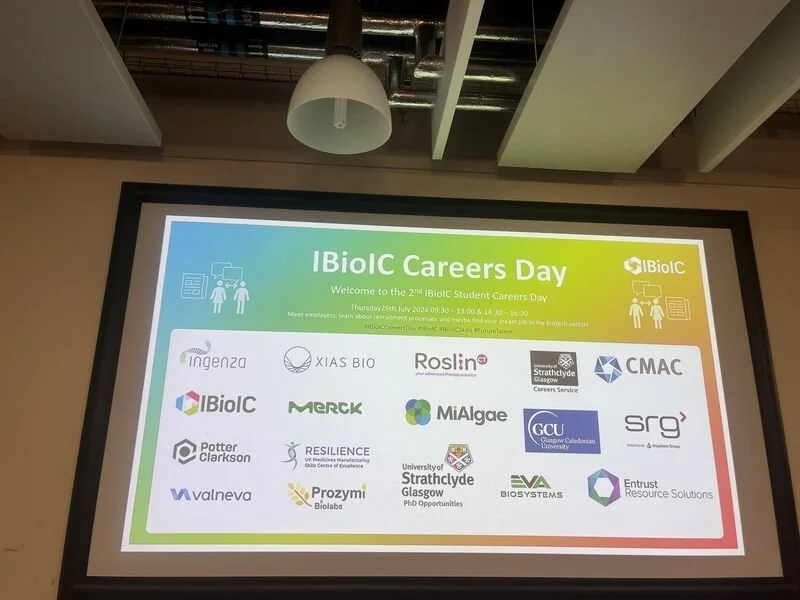
Connecting for success at IBioIC’s Careers Day
IBioIC’s second annual Careers Day has seen over 100 attendees from industry and the student cohort meet at the University of Strathclyde’s Insight Institute.

Transcending borders to unite with other seaweed enthusiasts
IBioIC team members Annelie du Plessis, Neil Renault, and Albert Serrano Gomez had a particularly fruitful experience at SeAgriculture in June, with new members, new work, and new inspiration for delivering support to the seaweed industry.

Bringing biobased solutions to Chem UK
The IBioIC team attracted a full house with people standing in the aisles to hear about the opportunities presented by engineering biology at this year’s Chem UK conference in Birmingham.

Galicia BioDays – Shining a light on Spanish Biotechnology
The biotech sector in Galicia has a cutting end biotechnology industry, exciting start ups and spin outs, and several world class research institutes. They have 160 biotechnology companies, which an annual turnover of more than €1.4 bn and, like Scotland, has ambition plans to fast track this by 2030. The biotech sector generates 5,600 direct jobs in Galicia and is growing at around 10% per year.
NCIMB Ltd kicks-off innovative enzyme technology development project with potential application in medicines and environmental remediation.
Aberdeen-based biotechnology company NCIMB has kicked-off a new research project to demonstrate novel enzyme technology with an exciting array of potential applications in the pharmaceutical, food & drink and environmental sectors. The work is being supported with a Bio-based Manufacturing in Scotland grant from Innovate UK.
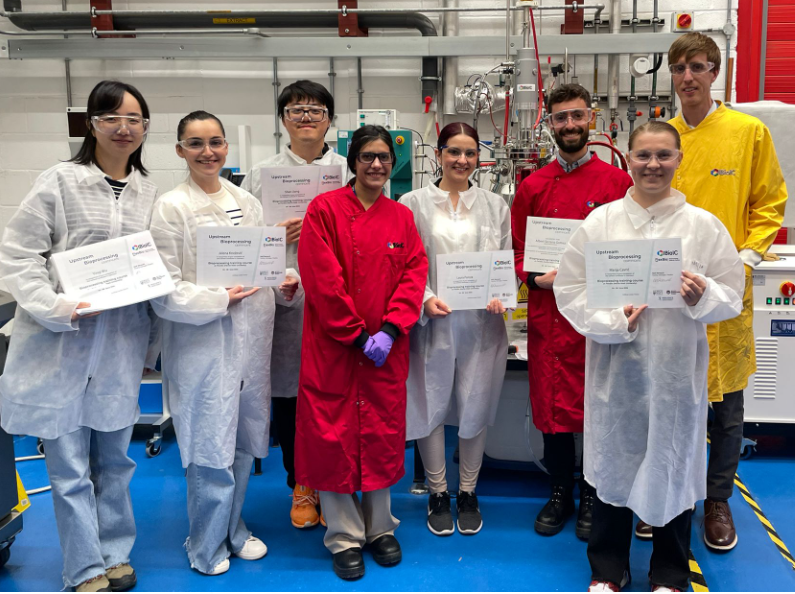
FlexBio awarded funds as part of RESILIENCE Centre of Excellence
Heriot Watt University and FlexBio have been awarded funds from Innovate UK as part of the RESILIENCE Centre of Excellence, an Innovate UK and Office for Life Sciences-funded programme which is intended to strengthen the UK’s Medicines Manufacturing skills pipeline, from outreach, awareness, and training in schools, to postgraduate and CPD study.
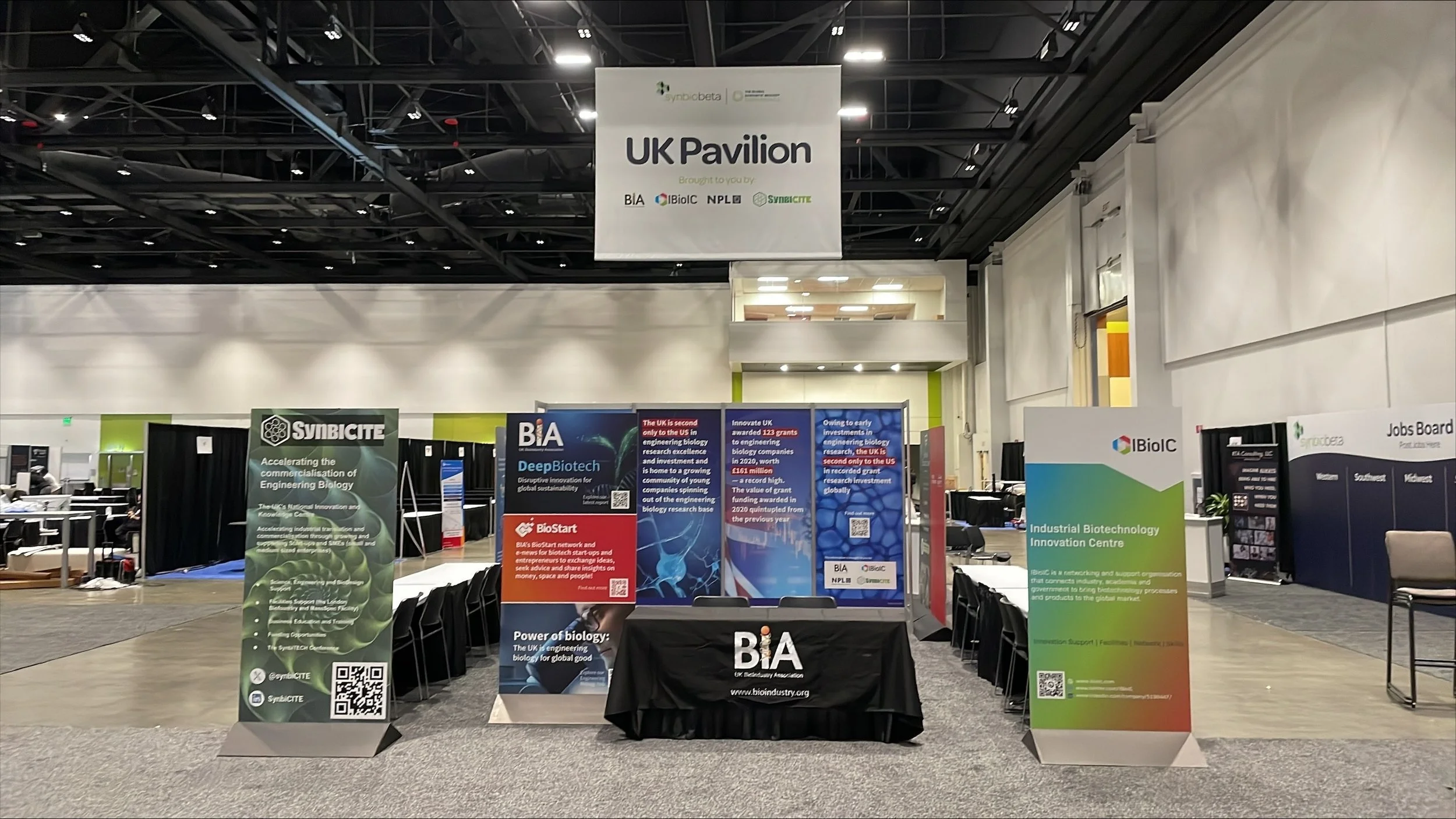
SynBioBeta 2024: Engineered biology, outer space, and the brave new world of AI
In early May, IBioIC co-hosted a UK pavilion at the world’s largest synthetic biology event in San Jose, California to showcase the best of UK’s engineering biology capability.

Scottish inward investment support boosted by £100,000 for business – academic collaborations
The Inward Investment Catalyst Fund from Interface and the Scottish Government is aimed at attracting businesses out with Scotland, through developing partnerships with universities, research institutes, colleges and innovation centres.

Evaluating the true cost of mining heavy metals
Addressing heavy metal pollution is one of the most hotly contested areas of environmental research. Several individual treatments, namely, physical, chemical, and biological are being utilised to remove heavy metals from the environment – but they all face challenges in terms of sustainability, expensiveness and in-situ treatment failure. In this article, Leigh Cassidy discusses SEM’s latest approach to the issue.
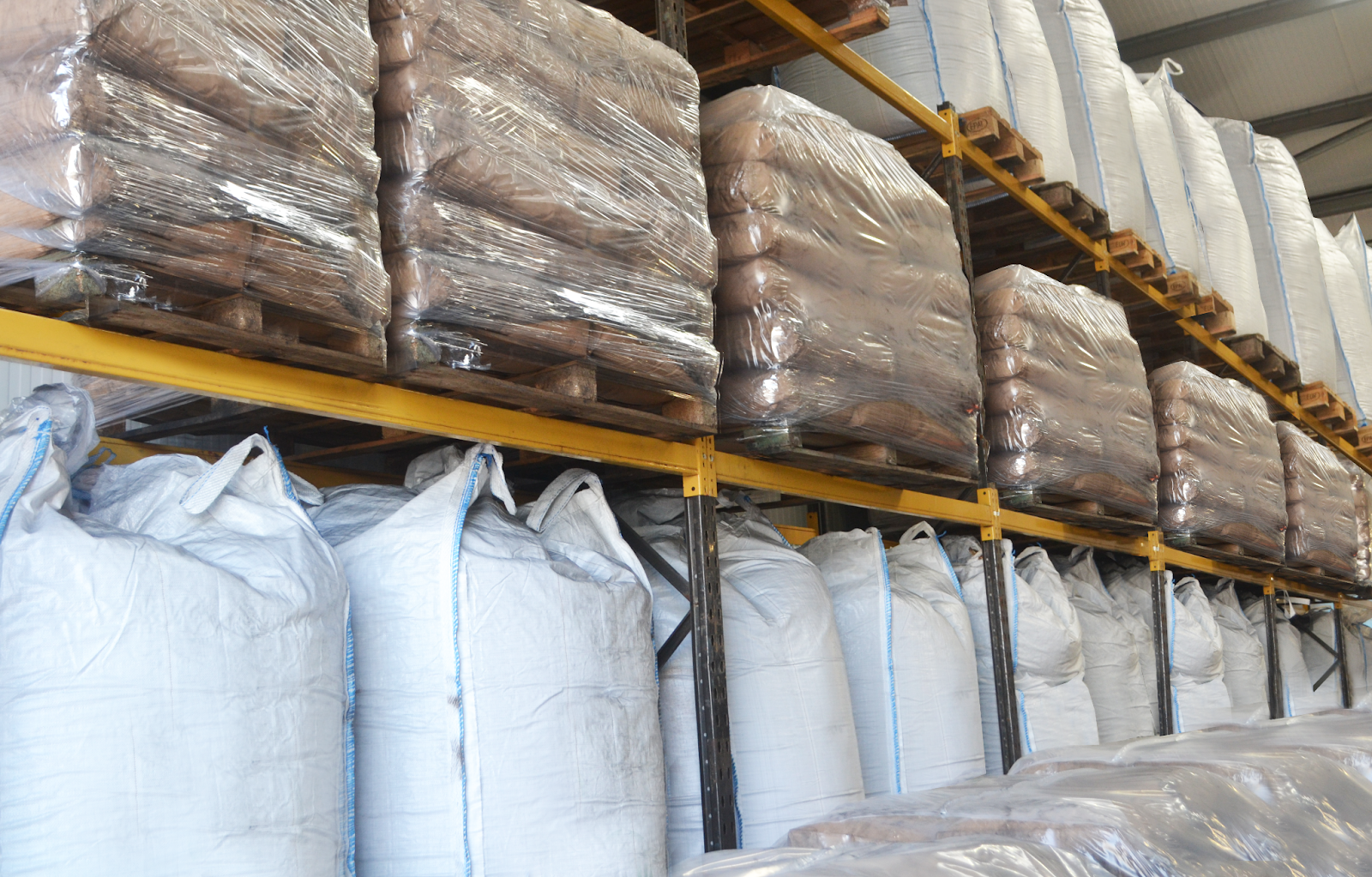
Carbogenics opens first CreChar processing facility in Glenrothes
Carbogenics has announced the opening of their new cutting-edge site, dedicated to the production of their flagship product, CreChar, set to revolutionise the anaerobic digestion (AD) market.

Scientists filter out opportunity to combat algal blooms with sewage waste
Researchers in Scotland are investigating the potential of converting sewage sludge into a mineral-rich material that could be used to treat water impacted by eutrophication and algal blooms – a phenomenon increasingly affecting lochs and rivers, associated with climate change.

Mapping tool aims to drive investment in Scotland’s bioeconomy by signposting valuable raw materials
The Industrial Biotechnology Innovation Centre (IBioIC) has launched a refreshed Scottish Bioresource Mapping Tool to help more businesses make the case for investing in biotechnology facilities and processes, boosting the country’s bioeconomy.
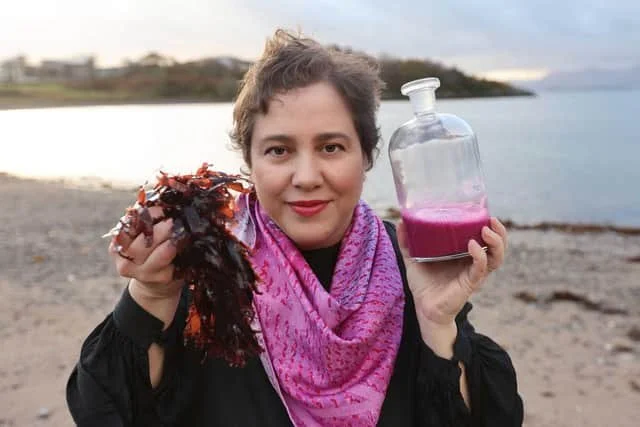
Seaweed startup helps textile makers move away from synthetic dyes
A Scottish startup using seaweed as the base for natural fabric dyes could help fashion and textiles manufacturers improve sustainability and reduce their reliance on petrochemical-derived colourings.
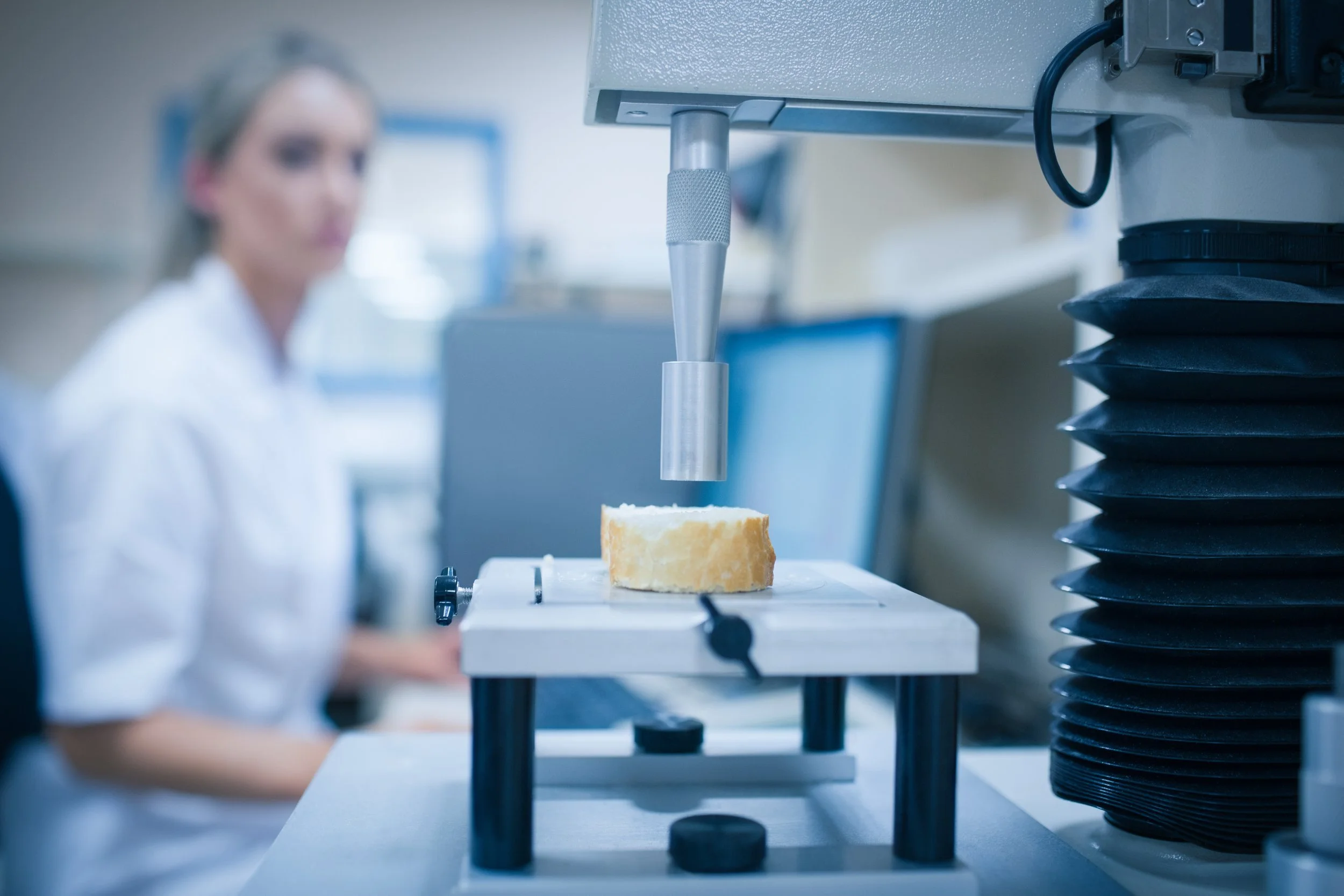
New technology gives rise to tasty alternative for gluten-free bread
An Edinburgh-based startup is exploring a new technology that could create gluten-safe food products, such as bread, while retaining the taste and texture of the real thing.

Seaweed Fermentation Revolution: Unlocking Sustainable Solutions at Heriot-Watt University
The FlexBio project at Heriot-Watt University showcases the innovative use of bacteria to derive valuable products from seaweed, signaling a new era in sustainable biotechnology.

Winners of £12 million REforMM CR&D competition announced
IBioIC members have been successful in the £12 million REforMM CR&D competition from @UK Research and Innovation. Successful organisations will complete collaborative R&D projects to de-risk new approaches to improve resource efficiency.
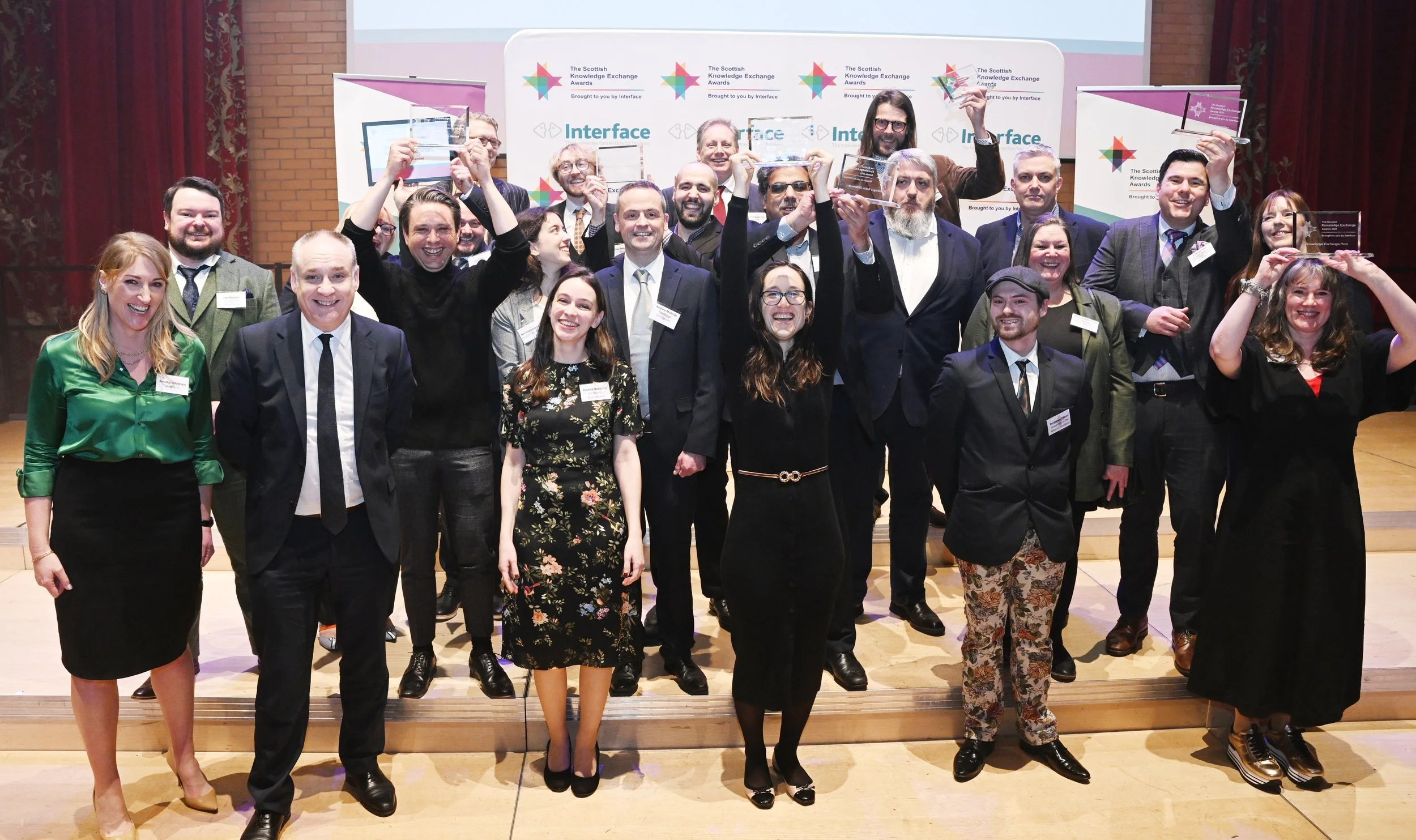
Health and environmental innovations dominate Knowledge Exchange Awards 2024
Prozymi Biolabs Ltd and the University of Edinburgh win Innovation of the Year – sponsored by HGF Ltd at the Scottish Knowledge Exchange Awards for developing a pipeline for identification and characterisation of novel gluten-degrading enzymes.
NCIMB Ltd and GitLife win Innovate UK funding to support development of new therapeutic solutions
Aberdeen-based biotechnology company NCIMB is teaming up with innovative Newcastle University Spinout GitLife Biotech in a 12-month project that will investigate the therapeutic potential of gut microbes. The project aims to develop a new class of therapeutics based on living bacteria to prevent or treat disease. The work has been funded by Innovate UK, part of UK Research and Innovation (UKRI)

Major investment boosts Scottish biotech companies’ ability to scale
Nearly £850,000 of investment brings crucial infrastructure to Scotland for the first time
The funding, awarded to the Industrial Biotechnology Innovation Centre (IBioIC) through Scottish Enterprise, will support the purchase and installation of a 300-litre fermenter to be hosted at FlexBio – the innovation centre’s scale-up facility based at Heriot-Watt University in Edinburgh.